Car camping is not backcountry cooking, and it is not your kitchen either. You get one or two burners instead of four, no sink, no bench, and a wind that arrives exactly when the water starts boiling. The kit below is what a two-person weekend actually needs, what it weighs, and what each piece costs — so you can decide what to leave at home rather than buying the whole aisle.
The three numbers that decide everything
Before any shopping, three figures govern the whole kit. Water is the first: one litre weighs one kilogram, and a two-person weekend wants roughly eight litres total for drinking and cooking. That single line is eight kilos of your load.
Fuel is the second. A standard 230 g isobutane canister will boil somewhere in the region of twelve to fifteen litres of water in calm conditions, which is close to a full weekend of cooking for two. Wind is what eats that number: a folding windscreen is the cheapest fuel saving you will ever buy, and it changes the maths more than any expensive stove does.
Weight is the third. A sensible target for the whole kitchen — stove, fuel, cookware, plates, utensils, cleaning — is under three kilograms per person. Nested cookware is how you get there: a set that stacks inside itself carries no air.
What actually goes in the box
| Item | Typical price | Weight | Worth taking? |
|---|---|---|---|
| Nested cookware set (pot, pan, lids, bowls) | $40-95 | 1.2-2.0 kg | Yes — the core of the kit |
| Single burner stove | $25-60 | 300-500 g | Yes |
| 230 g gas canister | $6-9 | 370 g full | Yes, one per weekend |
| Folding windscreen | $10-20 | 150-250 g | Yes — cuts fuel use noticeably |
| Utensils (spatula, spoon, knife) | $12-25 | 200-350 g | Yes |
| Plates, bowls, mugs | $15-35 | 400-800 g | Yes, but plastic or enamel beats ceramic |
| Water container, 10 L | $15-25 | 200 g empty | Yes for car camping, never for hiking |
| Coffee setup | $20-60 | 300-900 g | Optional — the biggest weight-to-joy ratio |
| Wash basin and cloth | $8-15 | 150 g | Yes |
What to leave at home
The failures are almost always the same three things. Cast iron — brilliant at home, four kilos of regret in a car boot. A second full-size pot, which does the same job as the big one in the set. And glass or ceramic plates, which weigh twice what they need to and break on the second trip.
| Leave behind | Why |
|---|---|
| Cast iron pans | 3-5 kg each; slow to heat on a small burner |
| A full cutlery drawer set | You need one knife, one spoon per person, one spatula |
| Ceramic plates | Heavy and brittle; enamel or polypropylene does the same job |
| The whole spice rack | Decant a few into small pots; salt, pepper and oil cover most meals |
| A second stove | Only worth it above four people |
What the whole thing costs
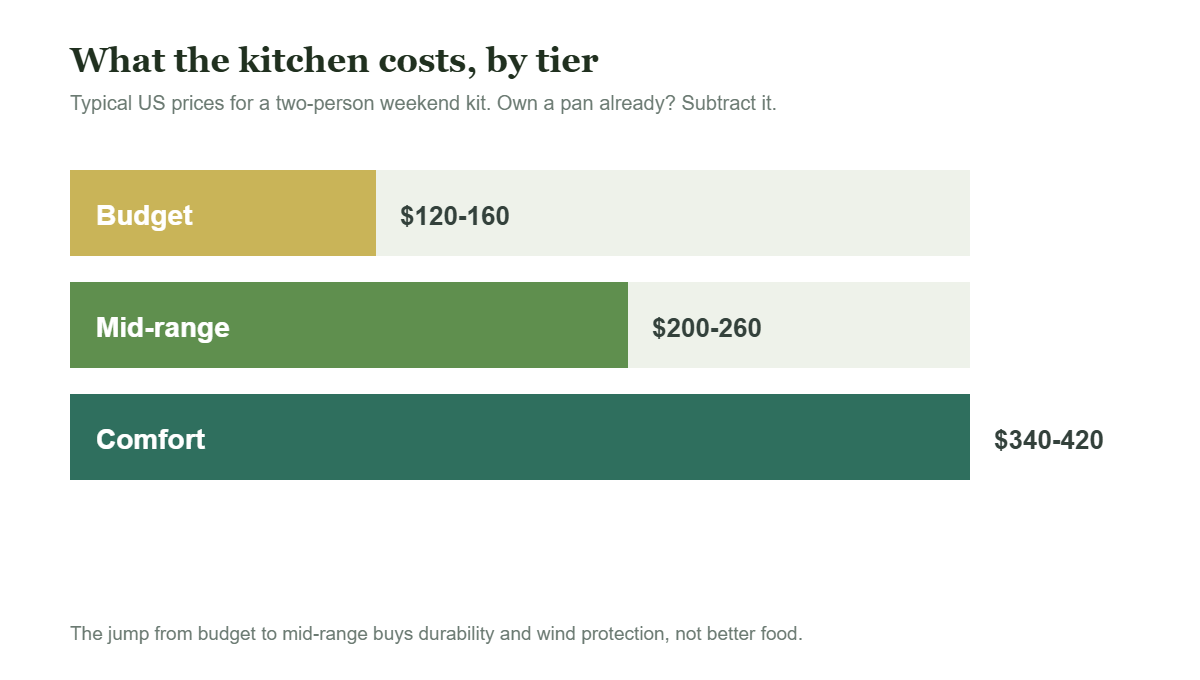
Prices land in three rough bands. A budget kit that genuinely works comes in around $120-160: a stove, one canister, an inexpensive nested set, plastic plates and a basin. A mid-range kit at $200-260 buys hard-anodised aluminium that resists scratching, a wind-proof burner, and utensils that will not bend. A comfort kit at $340-420 is where you are paying for a name, a nicer surface finish and a few extra nesting pieces.
The honest version: the jump from budget to mid-range buys durability and wind protection, not better food. The jump from mid-range to comfort buys convenience. If your budget is limited, spend it on the windscreen and the cookware surface, and buy the cheapest stove that has a stable pot support.
Cleaning without a sink
Use three stages and very little water: scrape every plate into a waste bag with a spatula, wipe the grease out with a paper towel, then wash with a splash of hot water and a drop of soap. Wash one item at a time and return it to the crate wet. If you pour a basin of water and dunk everything, you have created soup, not cleanliness — and you have used five litres doing it.
- Water: about 4 L per person per day, including cooking
- Fuel: one 230 g canister usually covers a two-person weekend
- Kitchen weight target: under 3 kg per person
- Nesting order: bowls inside pot, pan on top, cloths as padding
- One pot meals only — fewer pans, less water, less washing
- Windscreen up before the burner is lit, every time
Frequently asked questions
Gas, alcohol or petrol stove — which one?
Gas is the easiest to control, which matters most of the time. Alcohol stoves are quieter and light but slow, taking several minutes more to boil a litre. Multi-fuel stoves only make sense for cold weather or long trips where you cannot reliably buy canisters.
How much water do I really need to carry?
Plan on four litres per person per day including cooking and rinsing up. Where water is available on site, carry two litres and refill rather than hauling the difference.
Aluminium or stainless cookware?
Aluminium is roughly a third of the weight and heats faster but dents; stainless is heavier and more forgiving of abuse. Hard-anodised aluminium is the usual compromise, keeping most of the weight advantage with a harder surface.
Can I use a canister until it feels empty?
Performance drops in the last part of a canister as pressure falls, especially in cold weather. If you are planning a long cook, start with a fresh one rather than gambling on the dregs.
Is a cookware set better than buying pieces separately?
A nested set usually wins on packing volume, which is the real constraint in a car boot or a pannier. Buy separately only when you already own a pan that fits your bag exactly.
Gear referenced in this guide
Three items from our own range that fit the sections above. None of them is required — the numbers are the useful part.
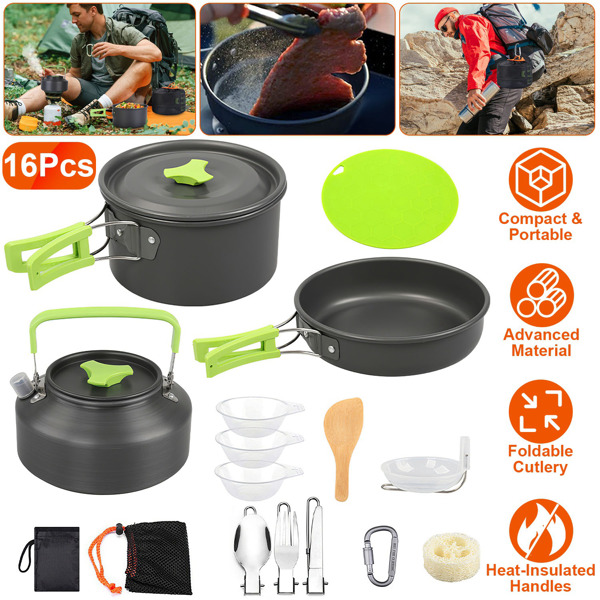 16 Piece Camping Cookware Set, Outdoor Cooking Kit$93.99View product
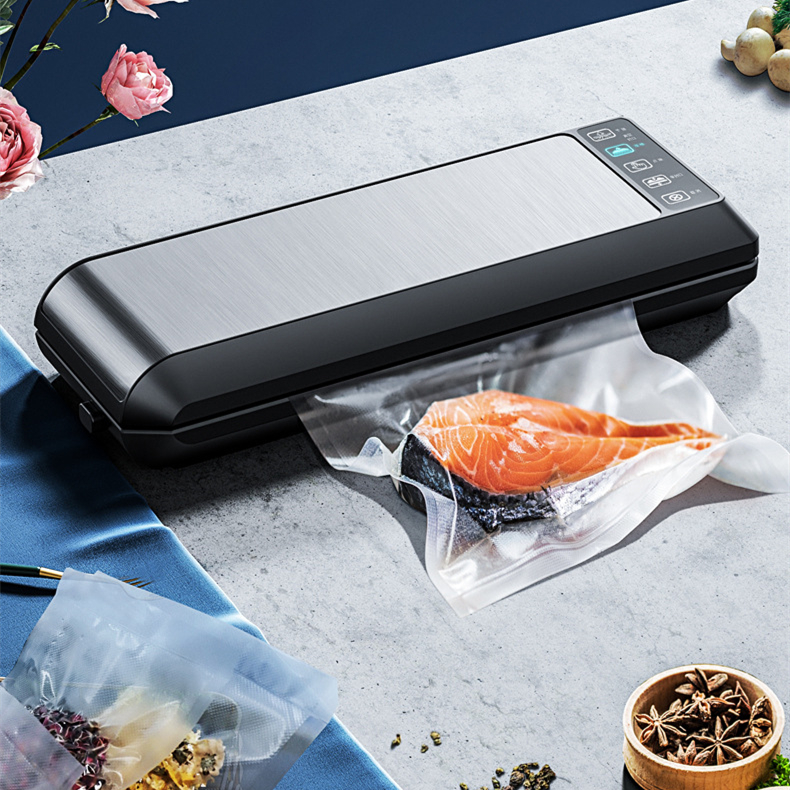 Home Vacuum Sealer for Food Storage$76.99View product
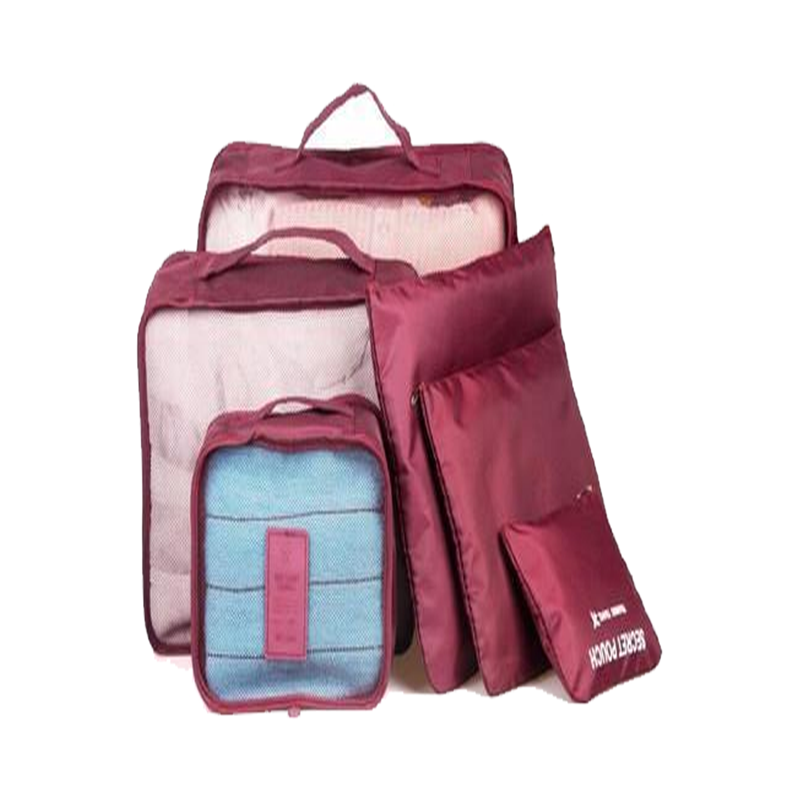 Portable Travel Luggage Packing Cubes Organizer Set (6 Pieces)$33.99View product
Written for ai-shoppers.com. Prices, weights and fuel figures are typical ranges for planning, not specifications of any single product; your stove, your altitude and your wind will move the numbers.
Compare on Amazon — this category usually has more brands, sizes and price points there.
Check current prices on Amazon →
As an Amazon Associate we earn from qualifying purchases. The price you pay is unchanged. Disclosure