Two complaints, one cause. Chains tangle because they move against each other in an open space; silver goes dull because it reacts with sulphur in the air. Both are storage problems, not jewellery problems, and both are largely fixed by the same three habits: keep each piece separate, keep the air away, and keep it dry.
Why chains tangle, mechanically
A chain is a series of links with gaps. In a shared space, any movement lets one chain pass through another and pull tight. The tighter the space, the more it happens: a shallow tray of loose chains is the worst possible arrangement, because everything keeps shifting every time the drawer opens.
The fix is separation, not more care. One item per slot or one hook per chain, with a little slack so nothing is under tension. As a rule, a compartment holding more than two or three pieces stops being organised and starts being a nest.
Why silver tarnishes, chemically
Sterling silver is 92.5% silver; the remaining 7.5% is other metals, and it is those that react with sulphur compounds present in air, in some foods and in materials such as wool and rubber. The result is the brown-to-black film everyone calls tarnish. It is a surface reaction, not damage – which is why a polishing cloth brings the shine back.
What accelerates it: humidity, warmth, and contact with rubber bands, wool or newspaper. What slows it: dry air, a closed container, and separating silver from other metals so it is not scratched while it dulls.
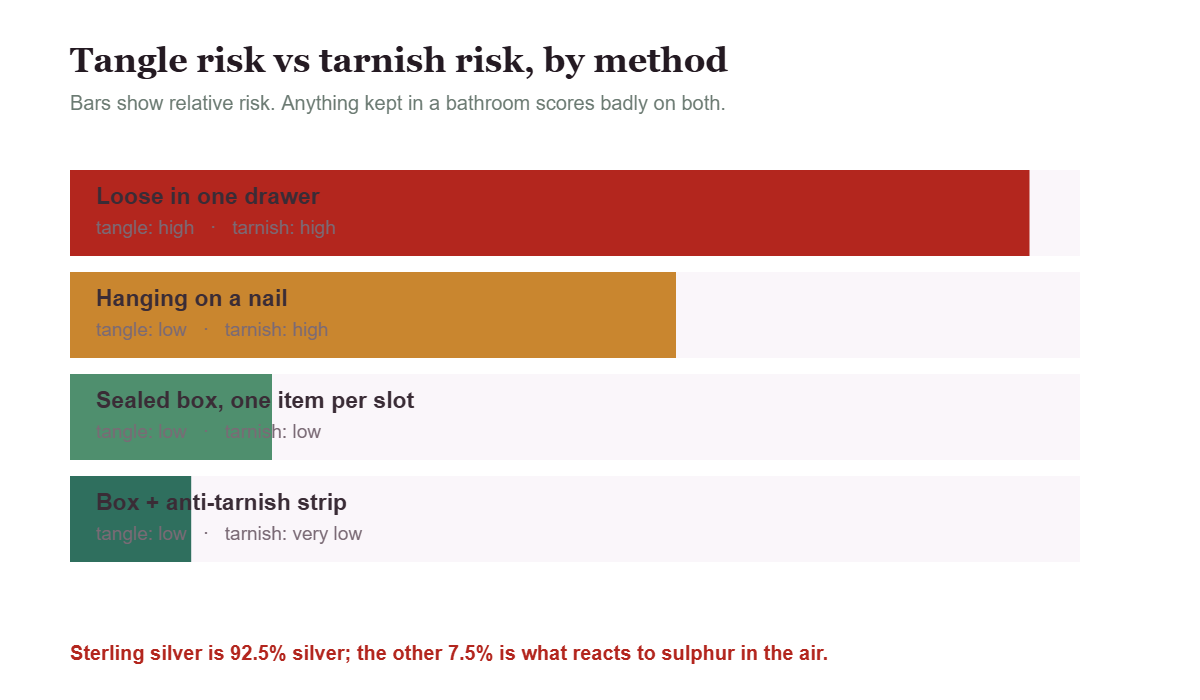
| Storage method | Tangle risk | Tarnish risk | Best for |
|---|---|---|---|
| Loose in one drawer | High | High | Nothing – this is how chains die |
| Hanging on a nail | Low | High | Frequently worn pieces, short term |
| Zipped pouch, one per piece | Low | Medium | Travel and rotation |
| Lined box, one item per slot | Low | Low | Everyday wear |
| Lined box + anti-tarnish strip | Low | Very low | Silver you wear occasionally |
The lining matters more than the outside
The part of a box that touches your jewellery is the part that protects it. A soft, non-abrasive lining stops plating being rubbed off and stones catching on fabric. Unlined metal drawers and hard plastic trays do the opposite: they scratch whatever slides across them.
One more detail worth knowing: pearls are soft, in the region of 2.5 to 4.5 on the Mohs scale, and they scratch against almost everything else in a jewellery box. Keep them in their own pouch rather than in the same compartment as rings or a watch.
The 30-second routine that does most of the work
Dry first. Perfume, hand cream and sweat are what carry sulphur and moisture into a closed box. Wipe each piece with a soft dry cloth before it goes away.
Put on last, take off first. Jewellery should go on after hairspray and perfume, and come off before you clean or shower. That single ordering rule prevents most of the damage people blame on the metal.
Close the lid. An open box on a dressing table lets air circulate all day. Closed storage is the cheapest anti-tarnish device there is.
Refresh the strip. Anti-tarnish strips saturate over time; replacing them roughly every three to six months keeps them working, and they cost very little.
Keep it out of the bathroom. That is the one room where humidity, heat and cosmetics all meet. Even a short spell in a steamy bathroom does visible harm over a season.
- One piece or one chain per slot – never a pile
- Wipe dry before storage; skip the bathroom entirely
- Keep pearls in their own soft pouch, away from harder stones
- Keep the lid closed and add an anti-tarnish strip, replaced every 3-6 months
- Store silver away from rubber bands, wool and newspaper
Travelling is where most pieces get ruined
A suitcase is the worst storage environment your jewellery will ever see: movement, compression and, if the pouch ends up in a checked bag, heat. Three habits cover almost all of it. First, one pouch per piece – a single zipped bag full of bracelets arrives as a knotted lump with scratched stones. Second, pack jewellery in hand luggage, where it is not crushed and where it cannot go missing with a delayed bag.
Third, stop chains kinking: thread the chain through a drinking straw, fasten the clasp, and lay it flat. The straw keeps the curve gentle so the links do not bend against each other, and it costs nothing. A piece of card works the same way – clip the chain on, fasten it, and slip it into the pouch.
Then the usual rule applies at the other end: unpack it, wipe each piece dry, and put it away properly rather than leaving it loose in a wash bag for a week.
Frequently asked questions
Is tarnish a sign of fake silver?
No. Sterling silver is 92.5% silver and the remaining metals are what react with sulphur. Real silver tarnishes; the film comes off with a polishing cloth.
Does storing jewellery in a sealed bag help?
Yes – a small zipped pouch that excludes air slows tarnishing noticeably, especially with an anti-tarnish strip inside. The limit is that a sealed bag offers no protection against crushing.
Can I store gold and silver together?
Better not. Harder metals scratch softer ones, and mixing them makes both duller. Separate compartments are the easy fix.
How do I store a watch with jewellery?
On a pillow or in its own compartment, so the bracelet or strap is not rubbing against chains. A watch left loose beside a chain gets scratched on the case almost immediately.
What about humidity levels?
Drier is better: keeping the storage space below roughly 50% relative humidity slows tarnish noticeably, which is another reason the bathroom is the wrong room.
Should I keep anti-tarnish strips in a travel pouch?
They help on longer trips, and they weigh nothing. Change them after a few months – a saturated strip stops doing anything and just takes up space.
My silver already looks dull – is it ruined?
Almost certainly not. Tarnish is a surface film, not damage to the metal. A silver polishing cloth brings it back; for heavier films, a silver dip used strictly per its instructions does the same.
Gear referenced in this guide
Three pieces from our own range that match the sections above – a gift box with a fitted tray, a lidded leather-finish case, and a slim bracelet that layers well. None of them is required; the habits matter more than the box.
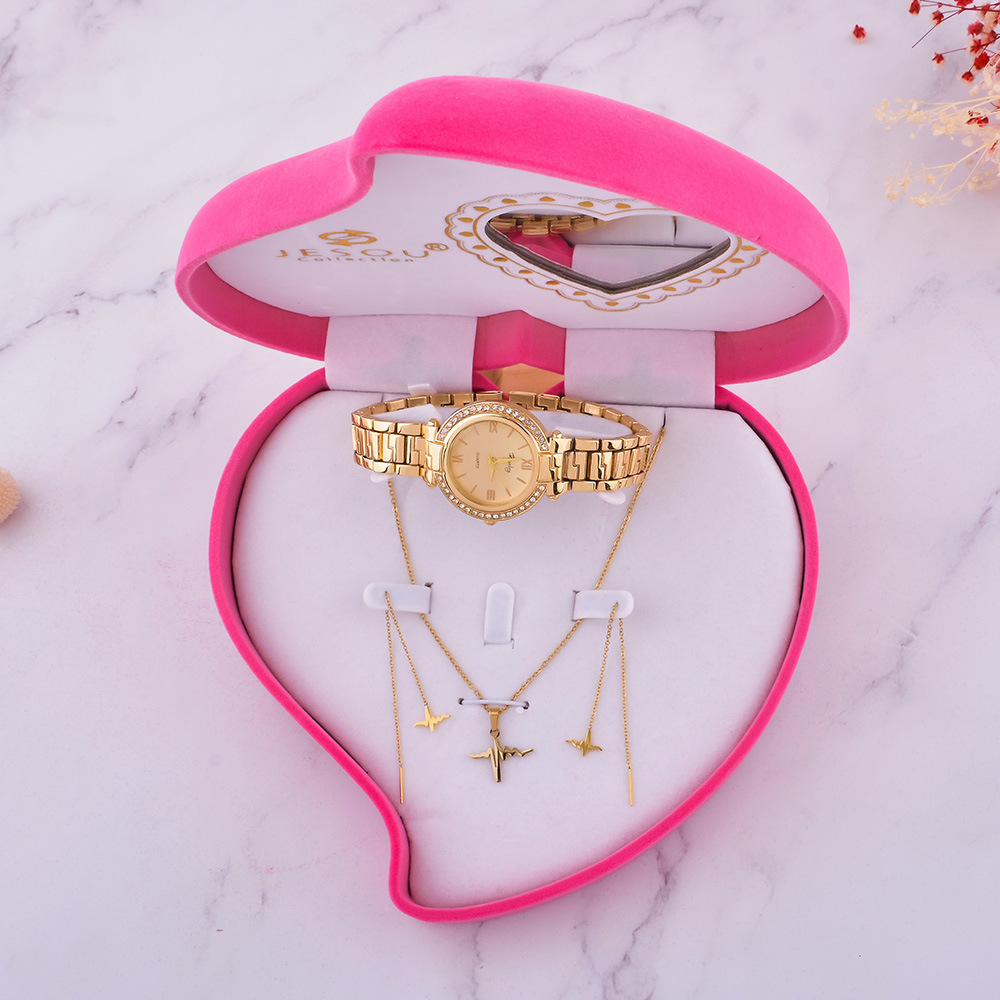 Jewellery, Watch and Necklace Gift Box with Display Tray$65.99View product
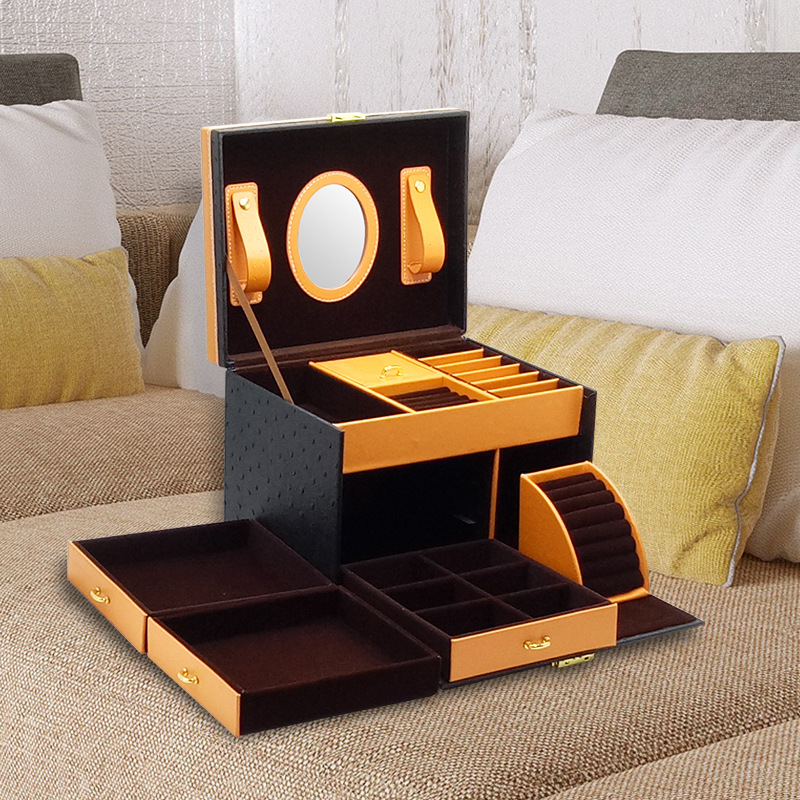 Leather Jewellery Box with Drawer, High-End Storage Case$72.99View product
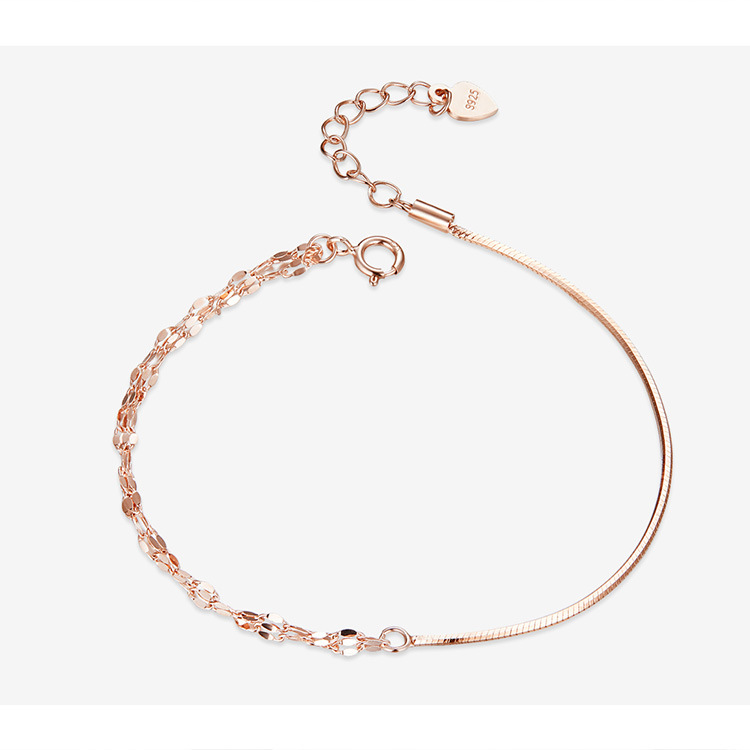 Sterling Silver Style Bracelet, European Inspired Chain$55.99View product
Written for ai-shoppers.com. Material compositions, humidity guidance and hardness figures above are standard published values for orientation rather than guarantees; individual alloys, environments and cleaning products will vary.
Compare on Amazon — this category usually has more brands, sizes and price points there.
Check current prices on Amazon →
As an Amazon Associate we earn from qualifying purchases. The price you pay is unchanged. Disclosure