A product listing usually gives you three numbers, and they are measuring three completely different things: how much space it takes up, how much it weighs, and how much it holds. Most disappointing purchases – and most return shipping – come from reading one of those three as if it were another. Here is what each number actually means, and how to convert between them before you buy.
What each number measures
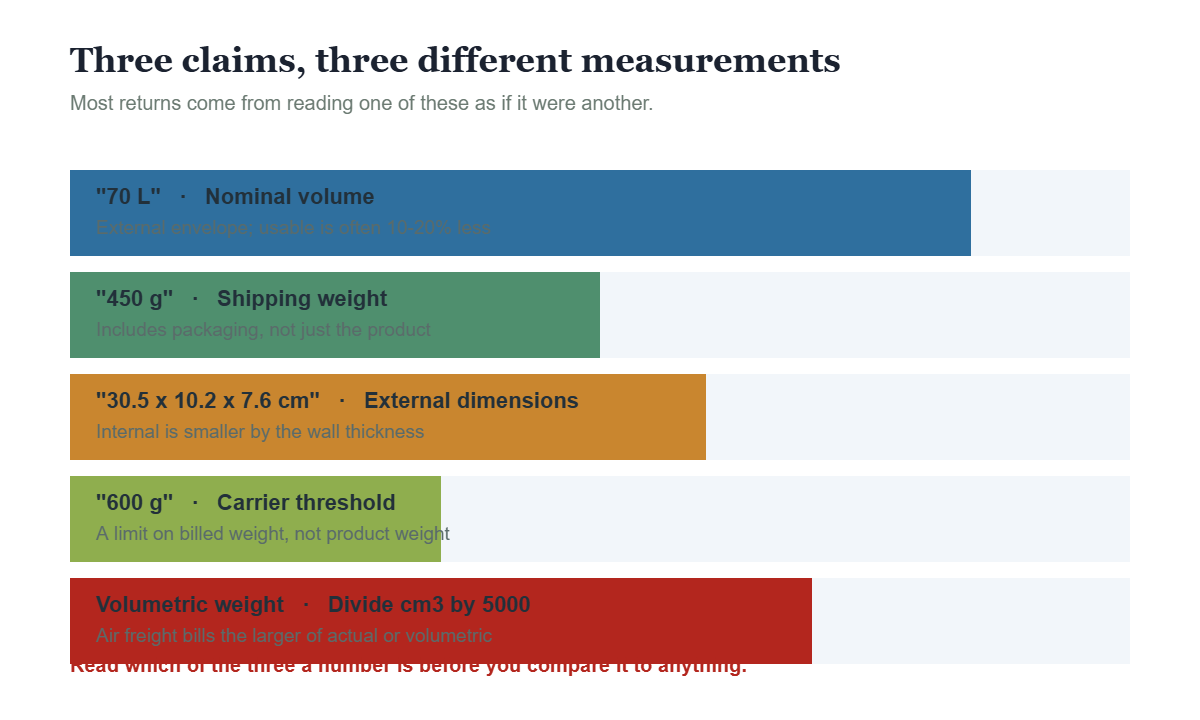
| Claim on the listing | What it measures | Where it misleads |
|---|---|---|
| “70 L capacity” | Nominal internal volume | Measured to the outer envelope; fabric walls and a reinforced rim take 10-20% |
| “450 g” | Usually shipping weight | Includes packaging; the product itself is lighter |
| “30.5 x 10.2 x 7.6 cm” | External dimensions | Internal is smaller by twice the wall thickness |
| “600 g limit” | A carrier threshold | Applies to billed weight, not to the item |
Volume: nominal versus usable
A 70 litre box is not 70 litres of usable space. Volume is normally calculated from the outer envelope – length x width x height – and that counts the fabric, the rim, the divider walls and any dead space in the corners. On a soft-sided box, planning for roughly 60 to 65 litres of actual contents is realistic.
The unit conversion is worth memorising: one litre is 1,000 cubic centimetres. So a box measuring 50 x 35 x 40 cm has an external volume of 70,000 cm3, or 70 litres – which is exactly how that figure is produced.
Weight: shipping weight versus product weight
When a listing says 450 g, it is usually the weight that gets billed – product plus bag, box, inserts and labels. For a small fabric item the packaging can add 10-20%. That matters in two ways: your own shipping cost if you resell, and any carrier limit you are close to.
The other number worth knowing is volumetric weight, used in air freight. The common divisor is 5,000: take the volume in cubic centimetres and divide by 5,000 to get a notional weight in kilograms. A 70 litre box therefore bills as about 14 kg even if it weighs 1 kg – which is why bulky, light items are expensive to ship and why “flat packed” matters so much.
Dimensions: external versus internal
Dimensions on a listing are nearly always external. A drawer organizer listed at 30.5 x 10.2 x 7.6 cm might give you 28.5 x 8.5 x 6.5 cm inside once you allow for 1 cm walls. If you are fitting it into a measured drawer, that gap is the difference between “fits” and “jams”.
The practical rule: measure the space, subtract 1 cm of clearance on each side, and compare that to the listed dimensions rather than to your ideal.
Why this matters more than any review
Reviews tell you whether other people liked an item; the three numbers tell you whether it will work in your space. Before buying anything that has to fit – a drawer organizer, a trunk box, a packing cube – write down three things: your available space, the maximum weight you want to carry, and the volume you actually need. Then read the listing against those three numbers, not against the product photo.
- Is the volume nominal (outer) or usable (inner)?
- Is the weight shipping weight or product weight?
- Are the dimensions external? Allow 1 cm per side.
- Is the carrier limit by weight, or by volumetric weight?
- Measure your space first, then subtract clearance.
When the spec sheet is incomplete
Plenty of listings publish one number and not the other two: a capacity but no dimensions, a weight but no volume. That is not automatically a bad product, but it does mean you cannot verify the thing you care about, and the honest move is to ask before ordering rather than to guess from a photograph.
Photographs are the worst substitute for a spec sheet, because they have no scale. A box photographed on a bare white background looks identical at 10 cm and at 40 cm, and a hand holding it tells you almost nothing about the hand. If a listing shows a product next to a common object – a mug, a laptop, a shoe – that is a deliberate attempt to give you a scale, and it is a good sign.
Two questions worth sending before you buy anything that has to fit: “what are the external dimensions in centimetres” and “what does the item itself weigh, without packaging”. Sellers who can answer both usually know their product; sellers who cannot are telling you something too.
Frequently asked questions
Why is a 70 L box never 70 L inside?
Volume is normally calculated from the outer envelope, which includes walls, rims and dividers. For a soft-sided box, 10-20% less usable volume is a reasonable planning assumption.
What is volumetric weight?
A billing convention used in air freight: volume in cubic centimetres divided by 5,000 gives a notional weight in kilograms. Carriers bill whichever is greater, actual or volumetric.
How much clearance should I allow?
About 1 cm per side for anything sliding into a drawer or a shelf. Tight fits are what turn a useful organizer into a jammed drawer.
Is a lighter item always cheaper to ship?
No. Bulky but light items can bill higher than small heavy ones, because volumetric weight may exceed actual weight.
Why do some listings give no dimensions at all?
Often because the manufacturer does not publish them. In that case, ask before ordering – guessing from a photograph is how people end up with the wrong size.
How accurate are listing dimensions?
Usually within a centimetre, and often rounded. Treat any listed dimension as approximate and allow clearance; that is why measuring your own space matters more than the exact figure.
Can I compare capacity between two different products?
Only if both use the same convention. Two boxes advertised as 70 L may differ by 15% in usable volume depending on wall thickness and how the figure was measured.
Gear referenced in this guide
Three items from our own range that illustrate the three numbers – a 70 litre folding box, a 450 g organizer, and a drawer box listed to the centimetre. None of them is required; reading the numbers is the useful part.
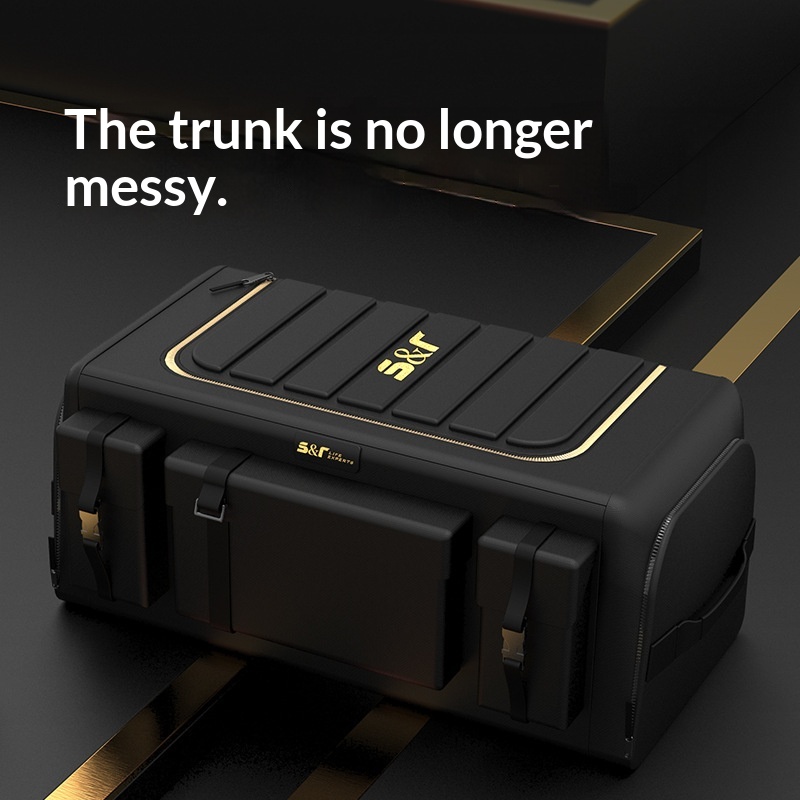 Folding Car Trunk Organizer Storage Box, 70 L Oxford Cloth$65.99View product
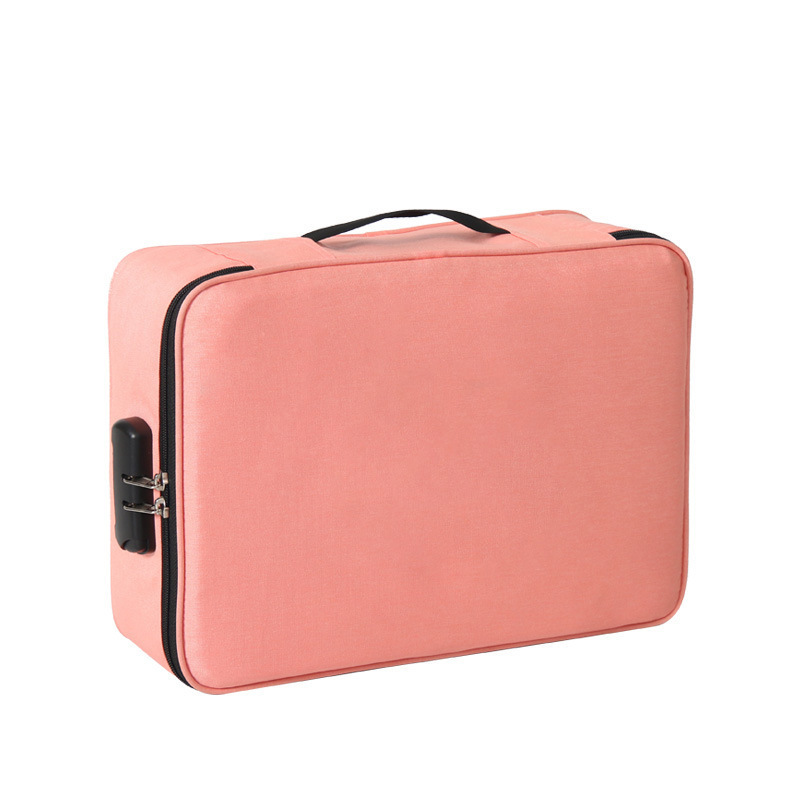 Cloth Card and Cosmetic Travel Organizer, 450 g$67.99View product
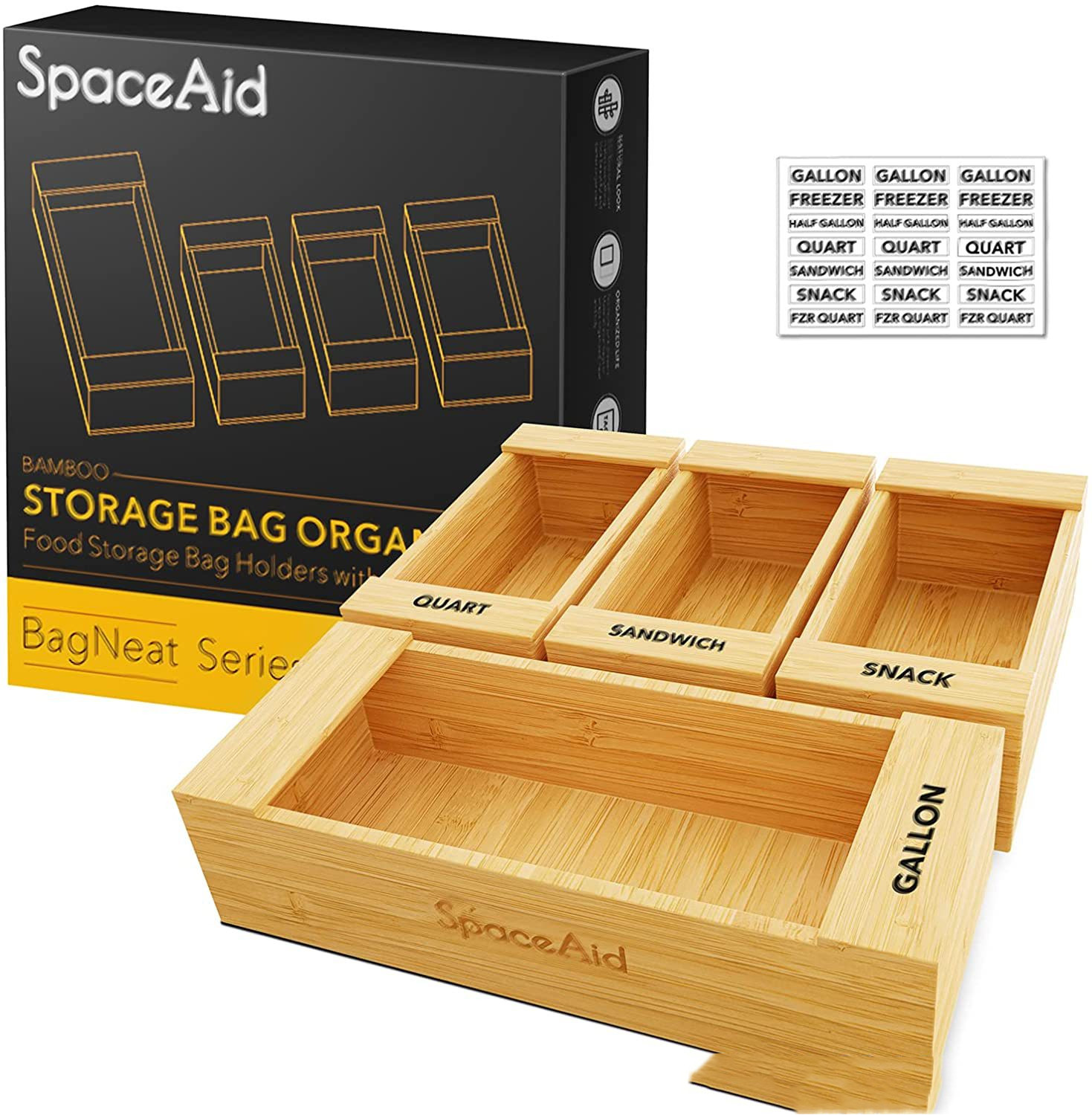 Bamboo Kitchen Drawer Organizer Box, 30.5 x 10.2 x 7.6 cm$53.99View product
Written for ai-shoppers.com. Conversions and percentages above are standard conventions for orientation rather than guarantees for any product; check the specific listing and your own measurements before buying.
Compare on Amazon — this category usually has more brands, sizes and price points there.
Check current prices on Amazon →
As an Amazon Associate we earn from qualifying purchases. The price you pay is unchanged. Disclosure