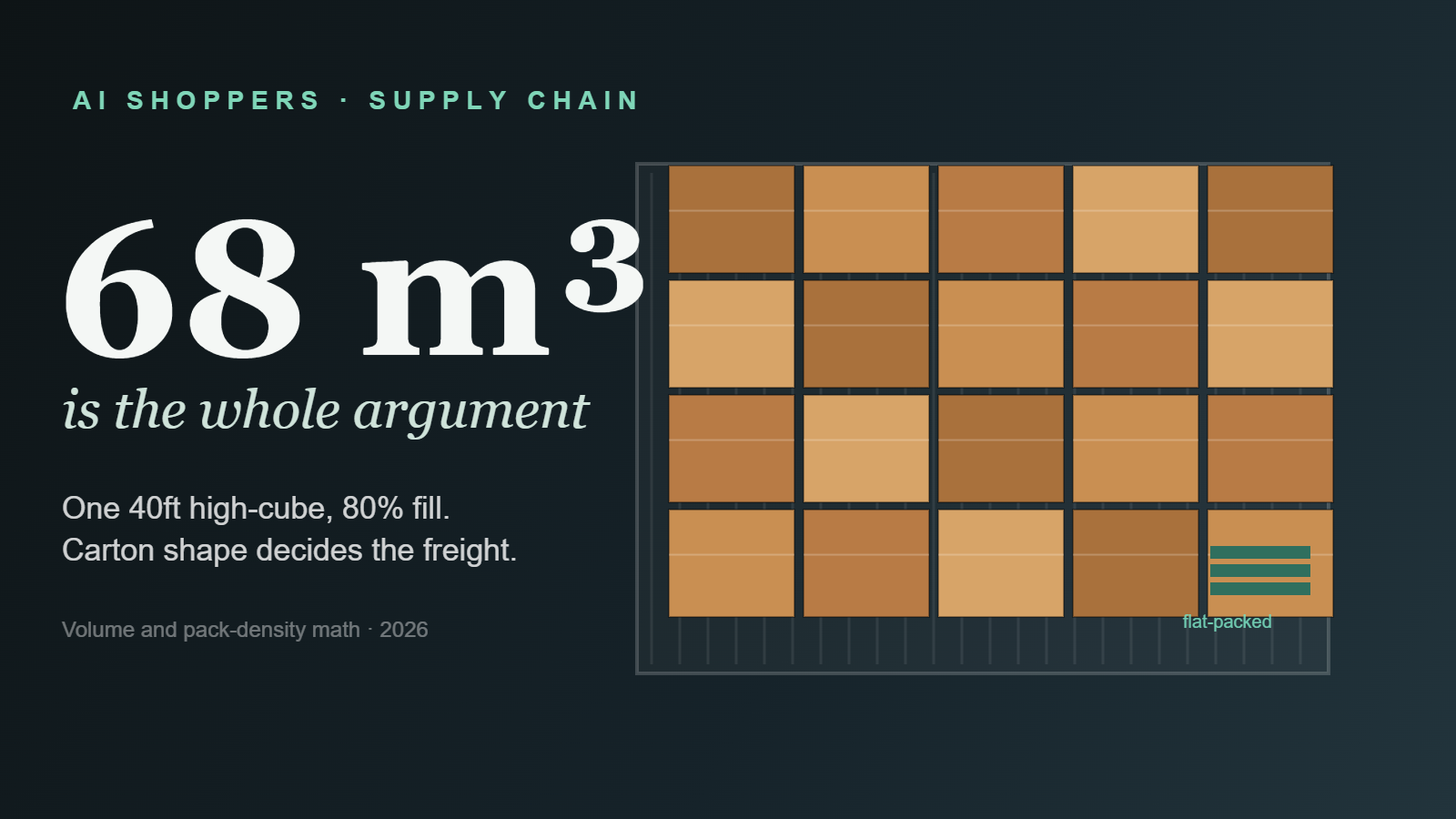
Two storage boxes can leave the same factory, use the same material, cost the same to make, and still land in a warehouse at prices that differ by a third. The difference is not quality and it is not labour. It is the shape of the carton they travel in — and specifically how much of a container they waste.
Freight is billed on space, not on what a thing is worth. A 40-foot high-cube holds about 76 cubic metres; after pallets, doorway clearance and the fact that cartons never nest perfectly, roughly 60 cubic metres are actually usable. Whatever you ship competes for that 60. A box that packs to 0.0735 m³ and a version of the same box that packs to 0.0084 m³ are not in the same business, even if they look identical on a shelf.
1. What a container actually holds
The standard figures worth memorising: a 20-foot container holds about 33 m³, a 40-foot standard about 67 m³, and a 40-foot high-cube about 76 m³. The high-cube’s extra 30 cm of internal height is the reason it is the default for light, bulky goods — storage boxes, pillows, baskets, anything where volume runs out long before the 24-tonne weight limit does.
Nobody fills a container to 100 percent. Pallets leave gaps, the doorway blocks the last row, and cartons with rounded corners never tessellate. A realistic planning figure is 75–85 percent of internal volume, which is where the 60.8 m³ used throughout this article comes from: 76 × 0.80.
2. Pack density: the number that never appears on a product page
Pack density is units per cubic metre. It is the single most useful number in sourcing and the one retailers almost never publish, because it exposes the real cost structure. You can compute it for any product with a tape measure: length × width × height of the shipping carton, in centimetres, divided by one million gives cubic metres.
Take a rigid trunk organizer measuring 60 × 35 × 35 cm outside. That is 0.0735 m³ per unit. Fold the same organizer flat and it packs to 60 × 35 × 4 cm, or 0.0084 m³ — 8.75 times denser. Nothing about the product changed. The walls are the same board, the fabric is the same Oxford, the seams are the same seams. Only the folded height changed.
3. The arithmetic that decides the retail price
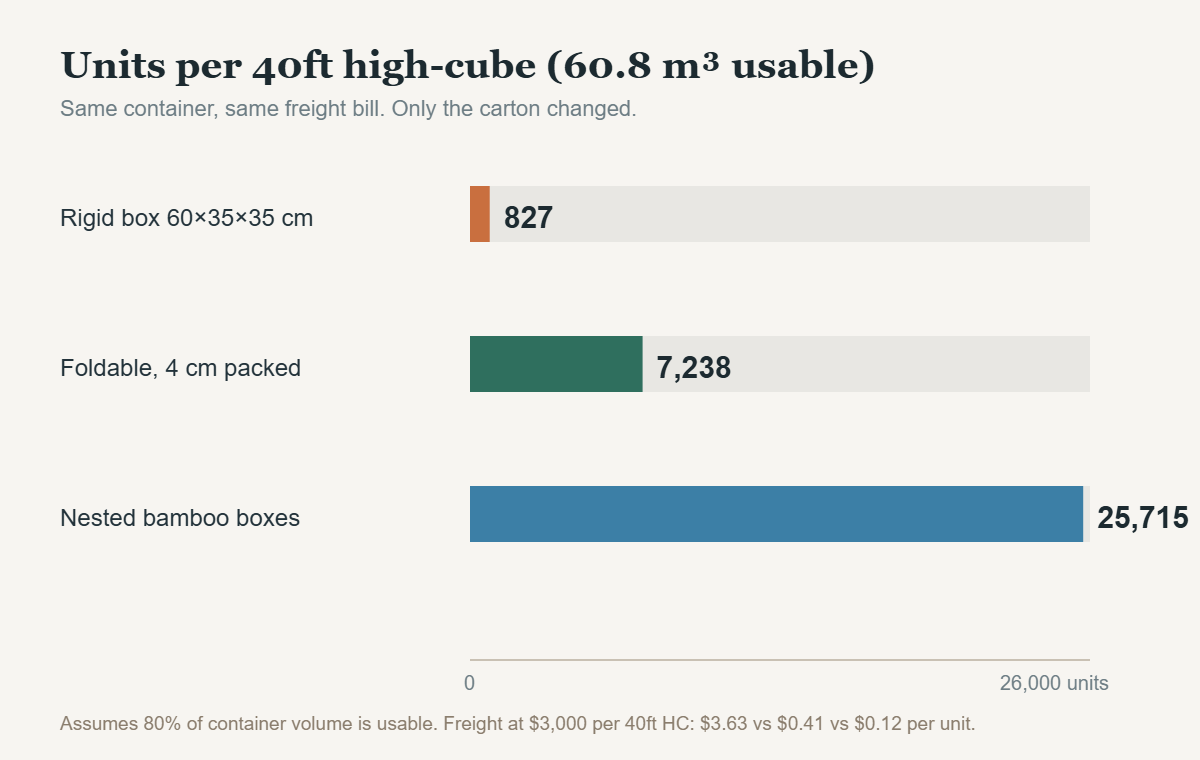
At 60.8 usable cubic metres, a rigid 0.0735 m³ box yields 827 units per container. The flat-packed version yields 7,238. A nested bamboo drawer box at 0.0024 m³ yields 25,715. Put a $3,000 ocean freight bill against each and the per-unit cost lands at $3.63, $0.41 and $0.12 respectively.
| Format | Packed volume / unit | Units per 40ft HC | Freight per unit at $3,000 |
|---|---|---|---|
| Rigid box, 60 × 35 × 35 cm | 0.0735 m³ | 827 | $3.63 |
| Foldable, packed to 4 cm | 0.0084 m³ | 7,238 | $0.41 |
| Nested bamboo box, 30.5 × 10.2 × 7.6 cm | 0.0024 m³ | 25,715 | $0.12 |
A $3.22 gap per unit is not a rounding error. At retail volumes it is the difference between a product that can be sold at $19.99 and one that has to be sold at $24.99 to carry the same margin — and buyers compare those two numbers on a shelf, not the freight bills behind them.
Freight rates swing. At $2,000 per container the gap narrows to $2.42 versus $0.28; at $4,000 it widens to $4.84 versus $0.55. Whatever the rate, the ratio stays: the rigid box costs 8.75 times more to move per unit. That ratio is a property of geometry, not of the market.
4. Weight is the other half of the bill
Air freight and many courier services charge on volumetric weight: length × width × height in centimetres divided by 6,000 gives chargeable kilograms, which is equivalent to 167 kg per cubic metre. The rigid organizer cubes out at 12.3 chargeable kilograms while weighing perhaps 1.8 kg. At $5 per chargeable kilogram, moving one unit by air costs about $61 — more than the product. This is why anything with air in it goes by sea, and why “ships flat” is a phrase sellers put in titles.
Sea freight has its own version of the rule. Less-than-container-load (LCL) shipments are priced per cubic metre or per tonne, whichever is greater, at a ratio of roughly 1 m³ to 1,000 kg. A 0.0735 m³ box weighing 1.8 kg is charged on volume; a dense item like a cast-iron pan is charged on weight. The formula rewards density in one case and low volume in the other, and punishes anything that is both bulky and light.
5. The pallet tax
Pallets are the second silent cost. A standard pallet is 1.2 × 1.0 m, a Euro pallet 1.2 × 0.8 m, and a practical stack height is 1.8–2.0 m including the pallet itself. At 1.8 m that is 2.16 m³ of space per pallet, of which the cartons occupy perhaps 1.7 m³ — a further 20 percent loss on top of the container fill rate. A 40-foot high-cube takes 20–24 such pallets, which is how the theoretical 76 m³ becomes 48–52 m³ of goods in a palletised shipment.
This is why the same product can be cheap in one market and expensive in another: palletised distribution into a supermarket chain eats volume that a loose-loaded container does not. The carton is the same; the handling is not.
6. How to read a “space-saving” claim
Three checks, in order. First, is there a packed dimension — the thickness when folded, not the assembled size? If a listing gives only 60 × 35 × 35 cm, it is describing the assembled product and telling you nothing about freight. Second, is the folded state structural or cosmetic? A box that folds to 10 cm with rigid boards inside has solved a storage problem, not a shipping problem. Third, does the fold survive use? Hinges are the first thing to fail, and a fold that only works in one direction usually means a stitched seam that will separate after a few hundred cycles.
For a household buyer the payoff is smaller but real: flat-packed goods are cheaper to replace, cheaper to return, and easier to store when not in use. For anyone buying in quantity — a shop, a workshop, a rental fleet — the same arithmetic that governs a container governs a van.
7. Where 68 comes from
The numbers above rest on stated assumptions, so they can be checked rather than trusted: 76 m³ internal volume for a 40-foot high-cube, 80 percent usable after pallets and clearance, $3,000 per container as a mid-range ocean freight figure, and carton dimensions taken from the products themselves. Change any assumption and the absolute dollars move; the ratios do not. That is the useful part — 8.75× is geometry.
Honest disclosure: freight rates fluctuate weekly and vary by lane, season and carrier. The dollar figures here are illustrative arithmetic to show how pack density works, not quotes. Measure your own cartons before budgeting.
Frequently asked questions
Why is a 40ft high-cube preferred over a standard 40ft?
The extra internal height (about 30 cm) adds roughly 9 m³ — around 13 percent more volume for nearly the same freight cost. For light, bulky goods that is the cheapest capacity available.
Does flat-packing weaken a storage box?
It changes where stress lands. A fold concentrates load on the hinge line, so a flat-packed box needs either a living hinge in polypropylene or a reinforced seam. Well-made versions last years; cheap ones fail at exactly that line.
What is a good pack density for home storage goods?
Roughly 100–400 units per cubic metre for small organisers, 10–30 for large rigid boxes. Anything under 10 is a freight problem that will show up in the retail price.
Does the pallet ever get skipped?
Yes — loose-loaded containers skip pallets and gain 15–20 percent volume, at the cost of slower unloading and more damage. It suits low-value, sturdy goods.
Can I use these numbers to compare two listings?
Yes. Compute packed volume per unit, divide the usable container volume by it, and compare units per container. The listing with the higher number has the lower freight cost per unit, all else equal.
Related reading: why the same shape can cost twice as much to mould, and what actually fits in a cabin bag.
Gear referenced in this guide
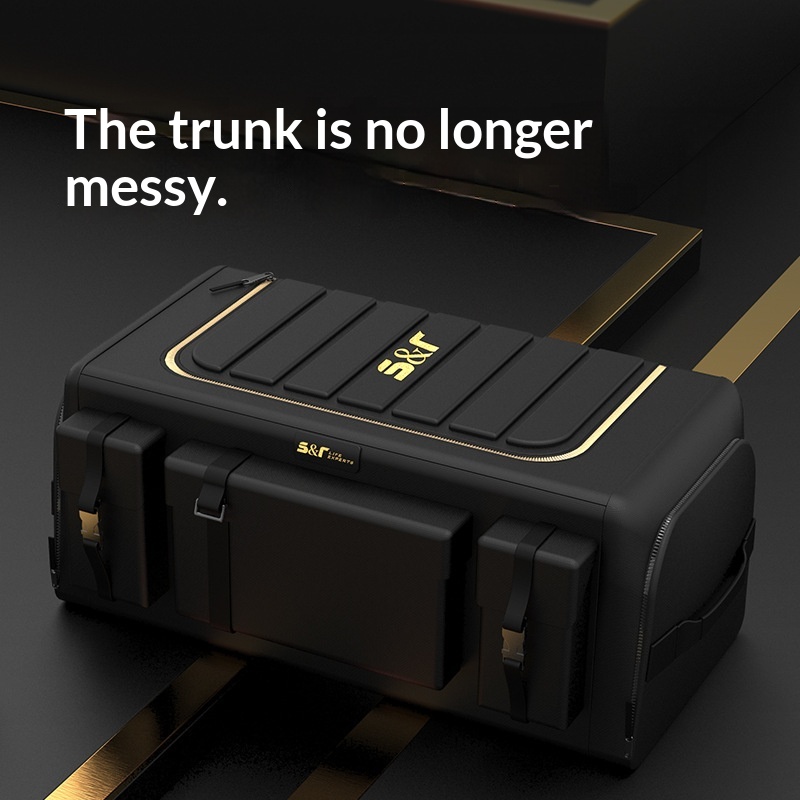
Folding Car Trunk Organizer Storage Box, 70 L Oxford Cloth
The flat-packed case: rigid boards, fabric skin, folds to a fraction of its assembled height.
$65.99
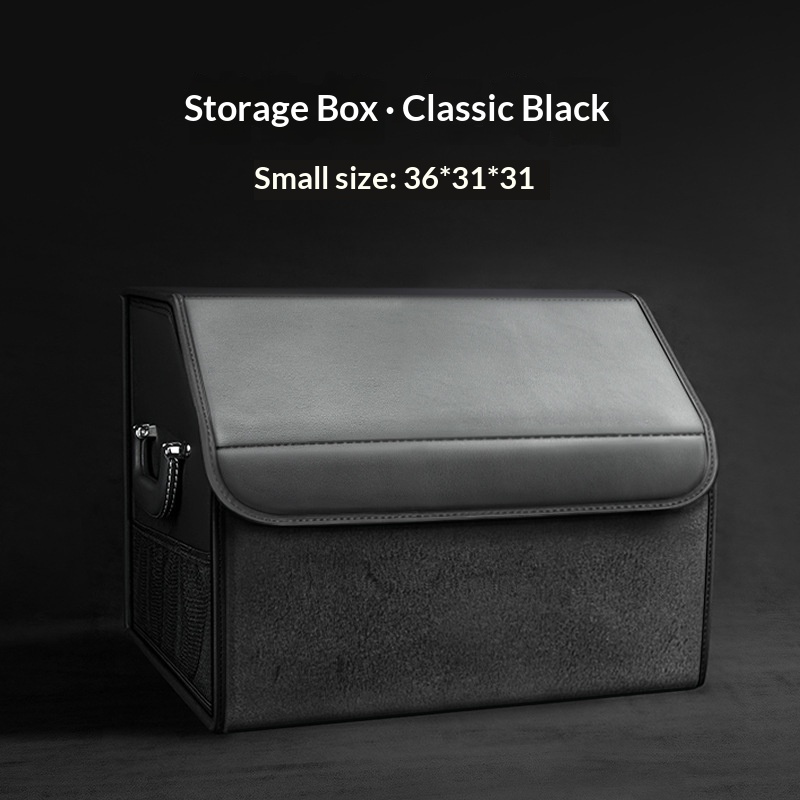
Suede Car Trunk Organizer Storage Box
The rigid case: more structure, more shipped air — and a lower shelf price for it.
$52.99
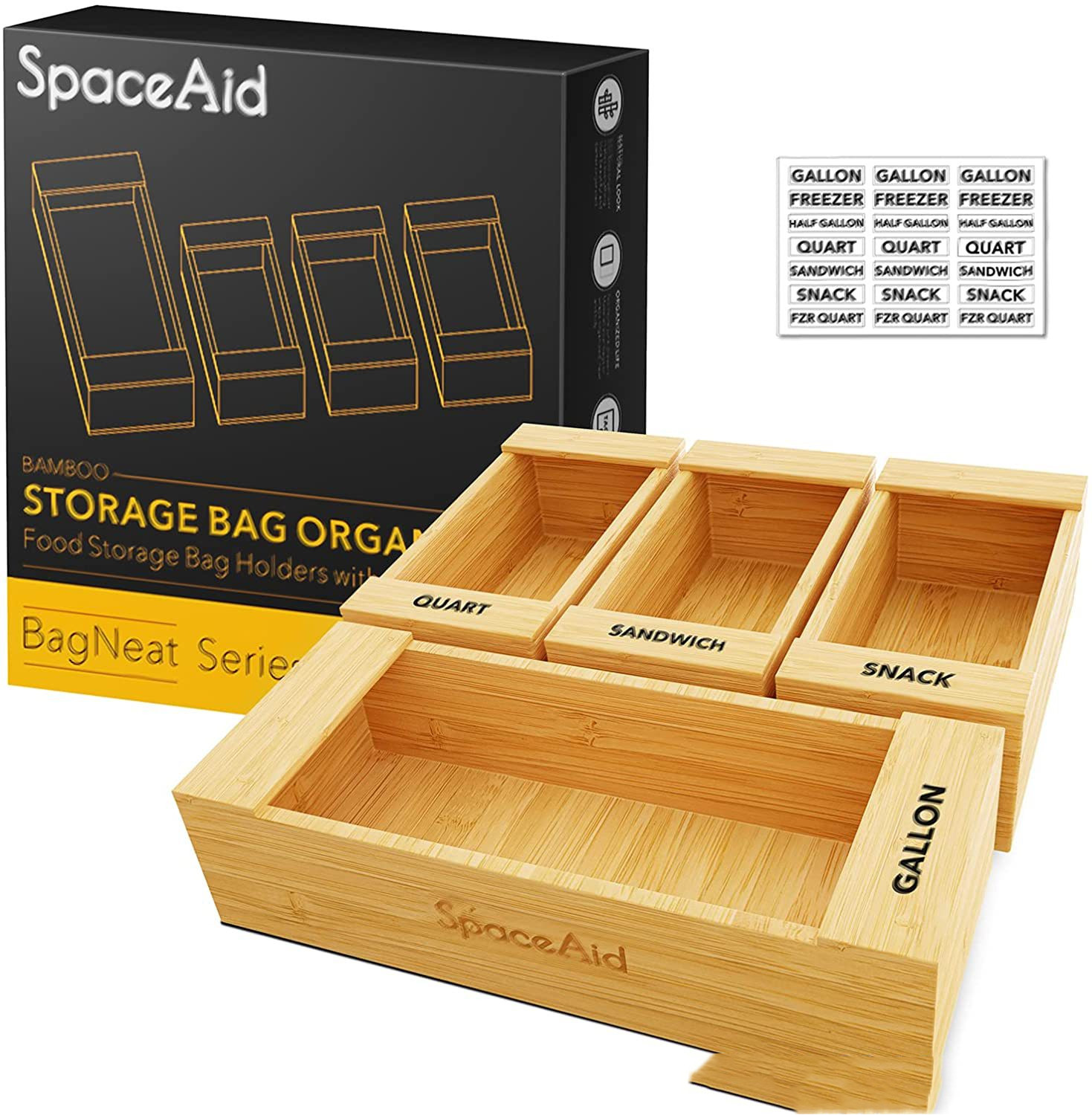
Bamboo Kitchen Drawer Organizer Box, 30.5 x 10.2 x 7.6 cm
Small, dense and stackable — the format that wastes the least container space.
$53.99
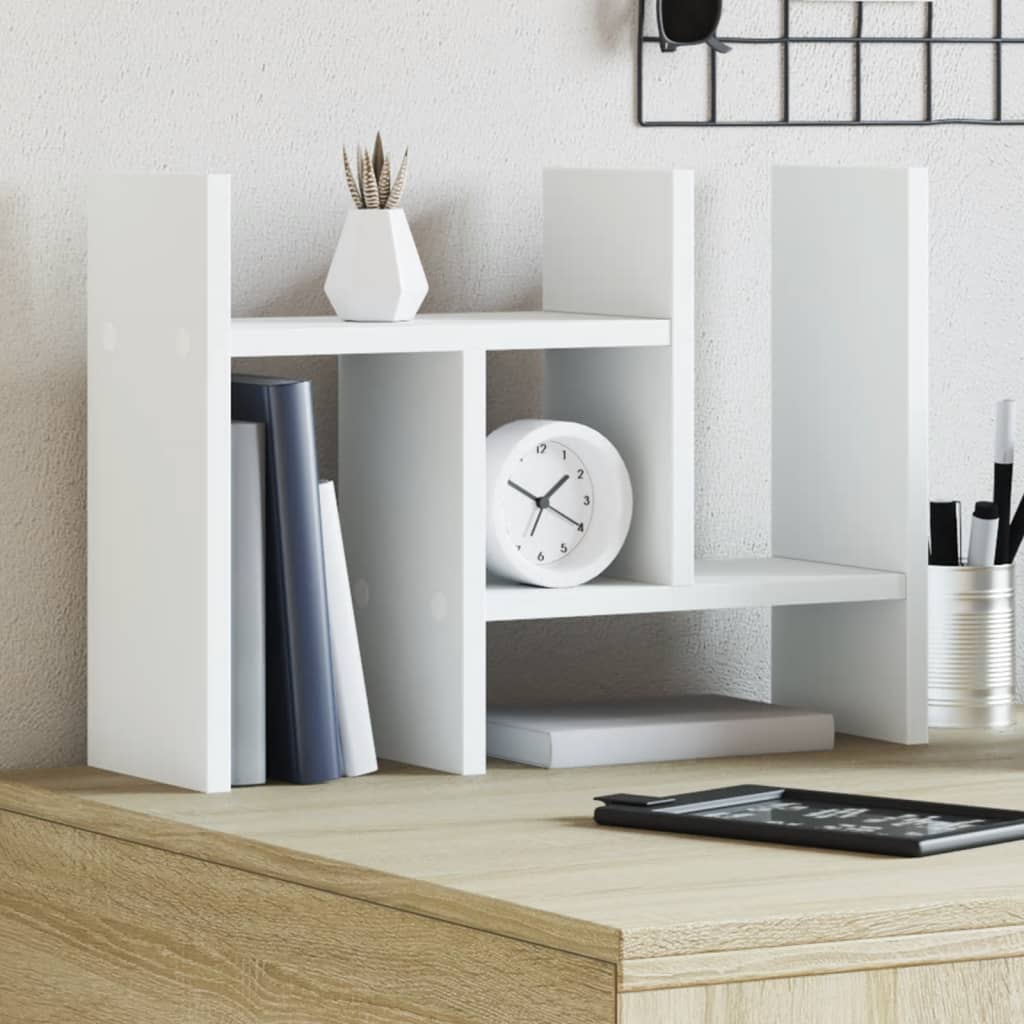
Engineered Wood Desk Organizer Shelf, 34.5 x 15.5 x 35.5 cm
Rigid engineered wood at 34.5 × 15.5 × 35.5 cm: volume you can calculate before you buy.
$67.99
Compare on Amazon — this category usually has more brands, sizes and price points there.
Check current prices on Amazon →
As an Amazon Associate we earn from qualifying purchases. The price you pay is unchanged. Disclosure