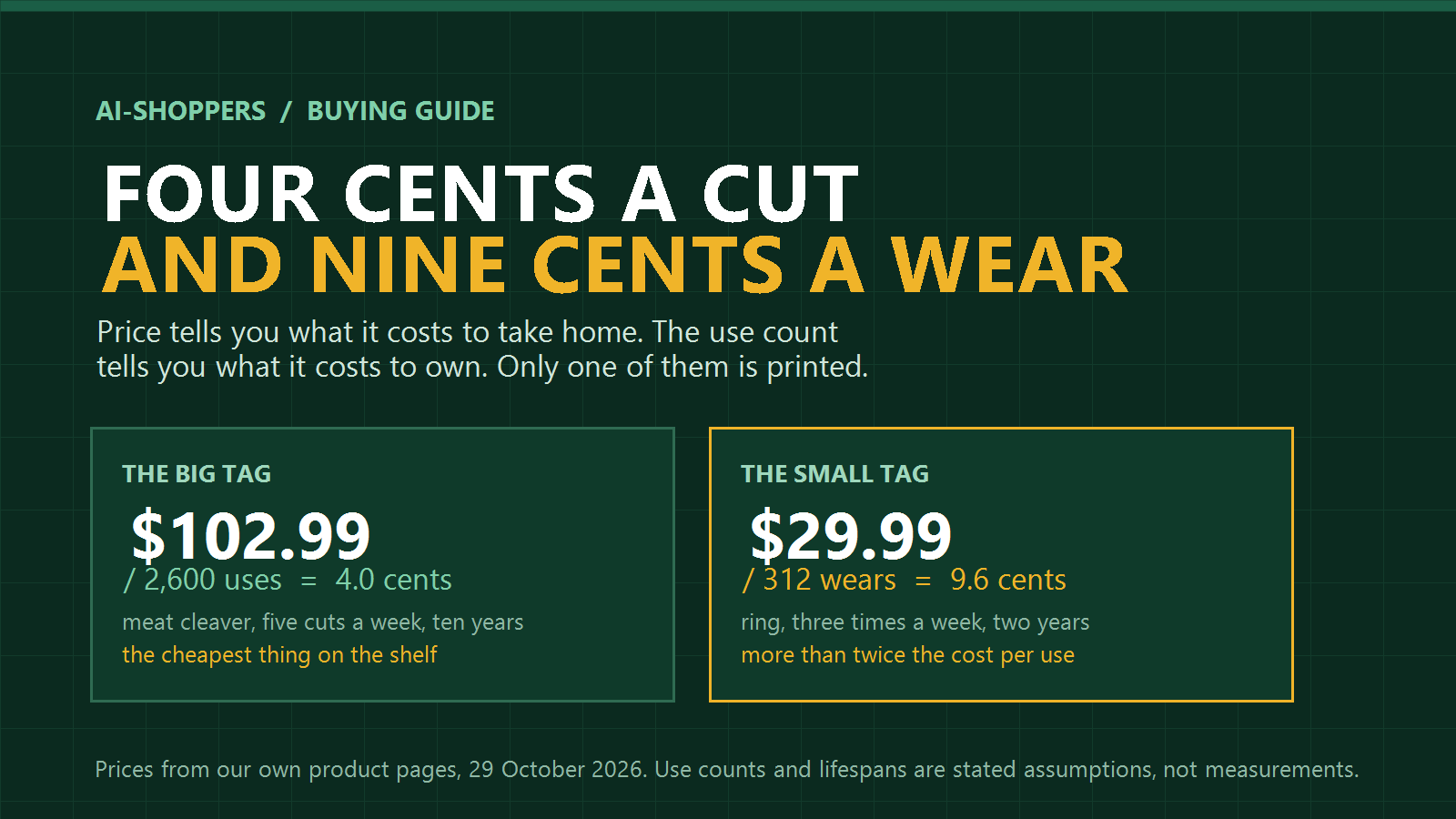
A $29.99 ring and a $102.99 cleaver are not in the same competition, which is exactly why the ring is the worse buy. Priced by the cut and the wear, the ring costs 9.6 cents each time you put it on and the cleaver costs 4 cents each time you use it. The number that separates them is not on either tag; it is a division you can do on a phone in about twenty seconds, and it reorders almost every shelf in a house.
1. The tag answers a question nobody asked
A price answers one question: what does it cost to take this home today. That is a cash-flow question, not a value question, and the two come apart fastest on things used often. A $9 kitchen gadget used twice is a worse purchase than a $90 tool used four hundred times, and everyone knows this in principle — but the arithmetic is almost never done, because the second number is not printed anywhere.
Cost per use fixes that. It is the same calculation the fashion trade calls cost per wear, and it has been floating around personal-finance writing for decades without ever becoming a habit at the point of sale.
2. The 10× rule, which needs no calculator
The full version is one fraction:
cost per use = (price + upkeep) ÷ (total uses × survival)
Four terms, and only the first one is on the tag. Total uses is uses per week multiplied by 52 and then by the years you expect to keep the thing. Survival is your honest probability that you will still be using it, rather than storing it, at the end of that period — 1.0 for something you will certainly keep, 0.7 for something you suspect you will tire of. Upkeep is money spent to keep it working: washing, replacement parts, consumables.
Here is the shortcut. Hold cost per use at ten cents and the fraction simplifies to a single line: the number of uses you need is the price multiplied by ten. A $12 item has to survive 120 uses to reach ten cents. A $103 item has to survive 1,030. That is the entire test, and it is the one number a listing will never give you, because it depends on your life rather than the product.
3. Five items from our own shelves, worked out
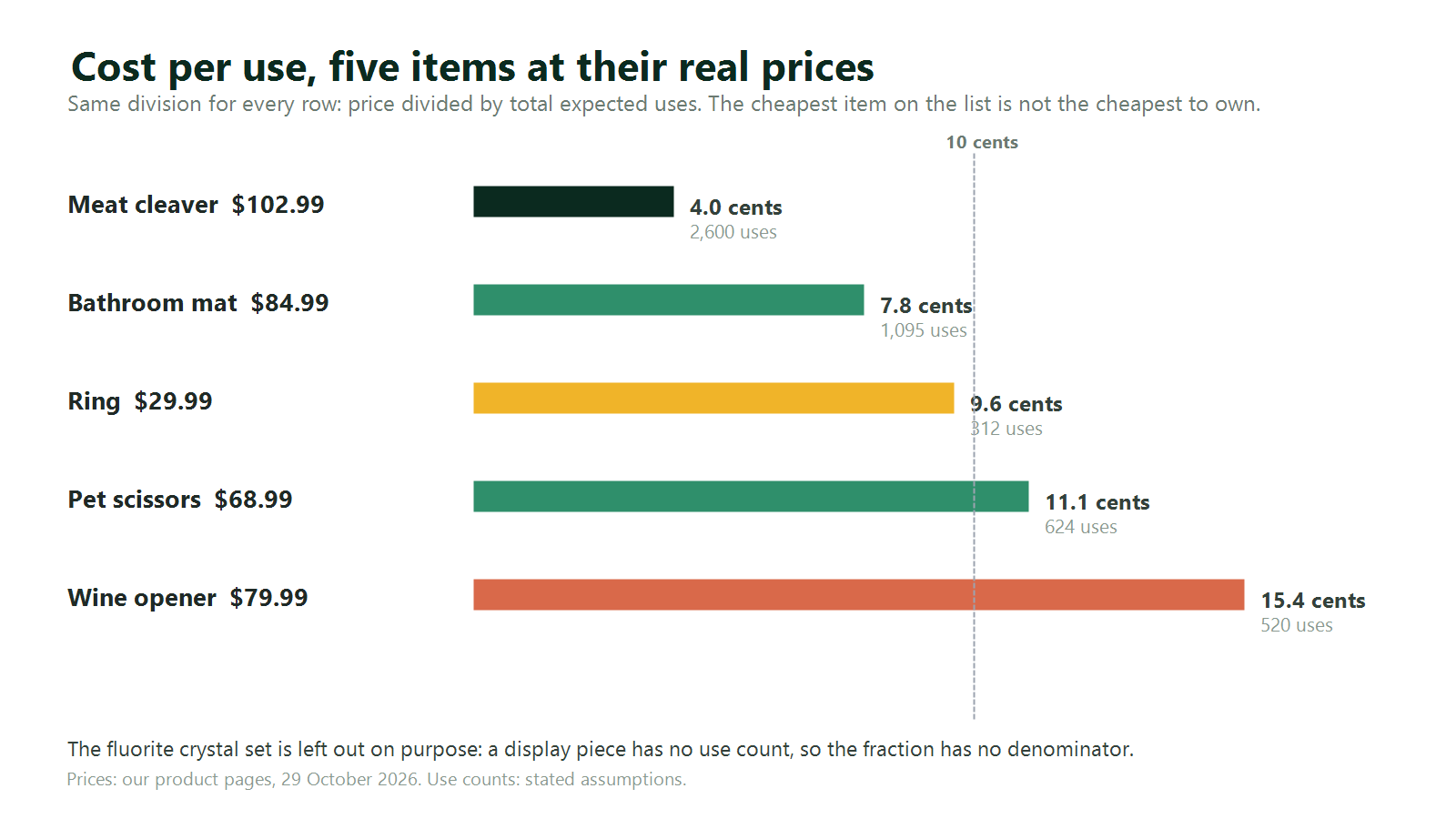
The prices below are the live prices on our own product pages, checked on 29 October 2026. The use counts are stated assumptions — yours will differ, and the point of the table is the method, not the ranking. Each row uses the same arithmetic so the rows can be compared.
| Item | Price | Uses per year | Expected life | Total uses | Cost per use |
|---|---|---|---|---|---|
| 7″ Damascus meat cleaver | $102.99 | 260 (five a week) | 10 years | 2,600 | 4.0¢ |
| Non-slip bathroom mat | $84.99 | 365 (one shower a day) | 3 years | 1,095 | 7.8¢ |
| Flow-Fire ring | $29.99 | 156 (three a week) | 2 years | 312 | 9.6¢ |
| Pet grooming scissors, 7-inch | $68.99 | 104 (twice a week) | 6 years | 624 | 11.1¢ |
| Wine opener set | $79.99 | 52 (once a week) | 10 years | 520 | 15.4¢ |
| Fluorite crystal set | $37.99 | not countable | — | — | not applicable |
Three results are worth stopping on. The cheapest item on the table, the $29.99 ring, is not the cheapest to own — it sits third, and it would need 300 uses to reach ten cents while it only has 312. The cleaver, at triple the ring’s price, is the best buy on the list by a factor of 2.4. And the wine opener, used once a week for a decade, is the worst: a $79.99 tool that only ever gets 520 uses.
The bottom row is the honest exception. A display object has no use count, so the fraction has no denominator and the metric has nothing to say. Nobody should apply cost per use to something bought for how it looks; the correct test there is whether it earns its space on the shelf. The mistake is applying that reasoning to things you actually use.
4. Where the ranking flips: 757 uses
The useful version of the comparison is not a ranking but a threshold. Set the ring against the cleaver: if the cleaver’s cost per use is four cents, a $29.99 item matches it only when it reaches 29.99 divided by 0.04 — 757 uses. At three uses a week that is 4.9 years.
That is the question worth carrying into a shop. Not “is this cheap”, but “will I get 757 uses out of it”. For a ring worn three times a week, 757 uses is nearly five years of not losing it, not scratching it, and not changing your taste. Most people would answer honestly that they will not. That single answer decides the purchase, and it is far more reliable than any judgement about build quality made through a plastic bag.
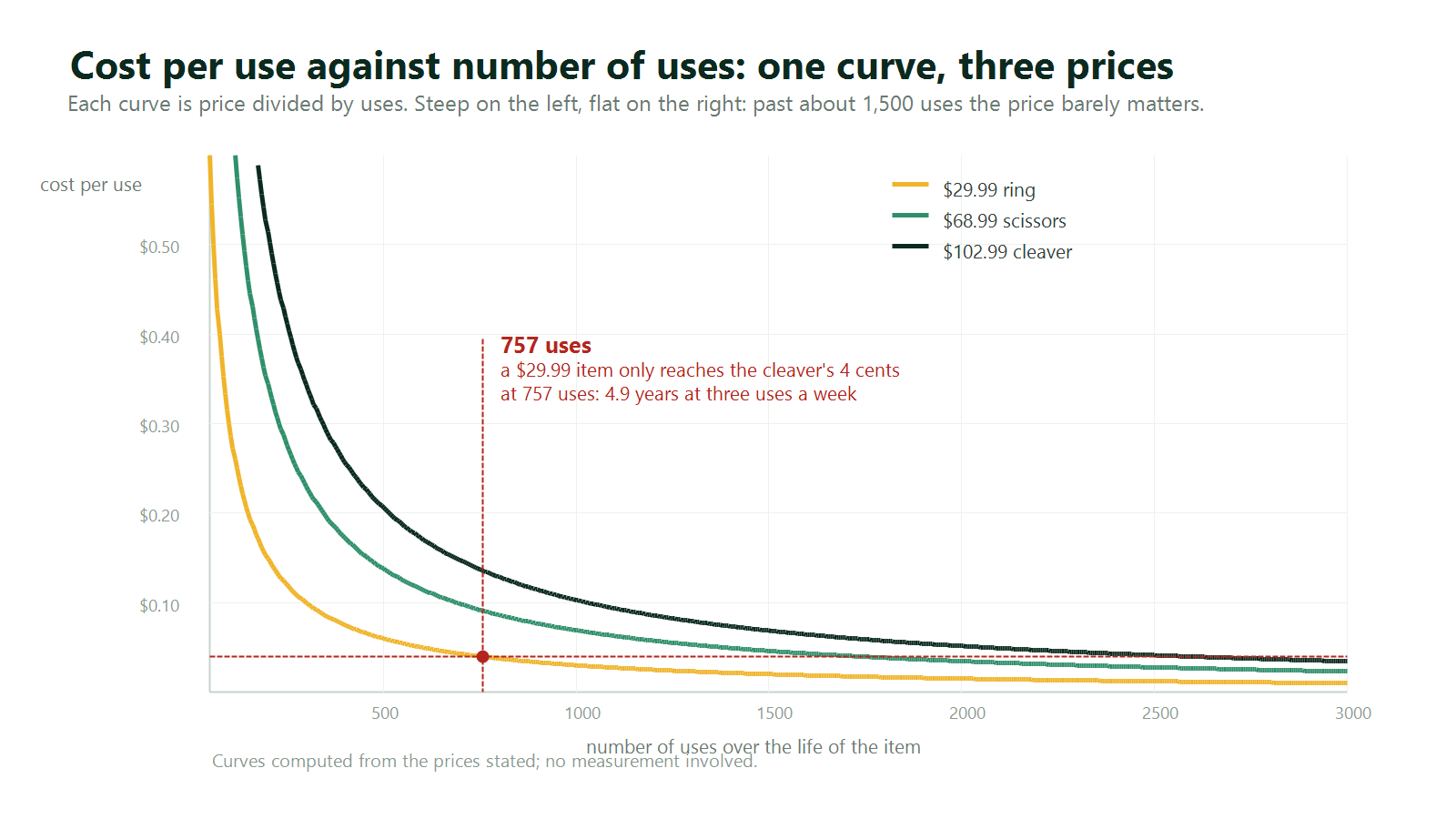
The shape of those curves is the whole lesson. Between 50 and 300 uses, cost per use collapses. Between 1,500 and 3,000 uses it barely moves. Anything used daily is already on the flat part of the curve, which is why the price of a daily-use item is almost irrelevant compared with whether you will keep using it.
5. The upkeep term, and the $21 a mat spends
Upkeep is where cheap-looking items quietly get expensive. The bathroom mat above is a fair example because it has a real running cost: it gets washed. One hot wash in a domestic machine is roughly 0.6 to 1.0 kilowatt-hours. At once a week for three years that is 94 to 156 kWh, and at an electricity price of 17 cents per kWh — a typical US residential rate, though yours will differ — it comes to $16 to $26.
Add the midpoint, about $21, and the mat’s cost per use moves from 7.8 cents to 9.7 cents. That is enough to drop it below the ring and out of second place. A 25 percent running cost over the life of the item is normal for anything that gets cleaned, refilled or recharged, and it is invisible at the till.
Upkeep is not always cash. For the cleaver, honing takes about two minutes a week; over ten years and 2,600 uses that is roughly 17 hours of maintenance, which at any hourly rate you are willing to name is a larger number than the knife cost. The formula does not care whether you enter dollars or minutes, as long as you use the same unit across the items you are comparing.
6. The term nobody enters: survival
Total uses is an estimate; survival is a probability, and multiplying by it is the step that makes the arithmetic honest. If there is a 30 percent chance the item ends up in a drawer before the period is out, divide the result by 0.7 — cost per use rises by 43 percent. A ring at 9.6 cents becomes 13.7 cents. A wine opener at 15.4 cents becomes 22 cents.
Two things push survival down in ways that have nothing to do with build quality: storage and repairability. Something with a dedicated place survives longer than something that has to be found. Something with a replaceable part survives longer than something sealed. Neither is a spec you will see compared, and both are better predictors than the price.
7. The 60-second version, standing in the aisle
- Multiply the price by ten. That is the use count you need to reach ten cents. Compare it with the number of times you will honestly use the thing in a year.
- Ask when you will next use it. If the answer is “not this month”, the cost per use is far higher than the tag suggests.
- Count the cleaning. Anything washed, refilled or recharged weekly carries a running cost of roughly a quarter of its price over three years.
- Name the failure first. Lost, broken, tired of it, or worn out — the first three are more common than the fourth, and none of them are fixed by spending more.
- Compare only within a category. A ring and a knife are different jobs; the number is for choosing between two rings, not for justifying a knife.
8. When the cheap one wins outright
The formula is symmetrical, and it is worth saying plainly: cost per use favours the cheap item whenever the use count is low. A $9.99 gadget needed four times is 2.5 dollars a use and no argument about longevity changes that. Expensive items win on this metric only through one route — a large number of uses — and if that number is not going to happen, the premium is a donation.
There is a second case where cheap wins: when the expensive version’s extra life lands beyond your horizon. A tool with a twenty-year service life is worth nothing extra to someone who will move continents in three. Use the years you will actually own it, not the years it could theoretically last.
The one thing the arithmetic cannot price is the failure you will notice. A cleaver that needs replacing mid-project costs a day, not four cents. Where a failure is expensive in time rather than money, add that cost to the price before dividing — the method still works, it just needs the honest number.
None of this requires a spreadsheet. It requires deciding, before you look at the tag, how many times you will use the thing — which is the part of the purchase that was never on sale in the first place.
Gear referenced in this guide
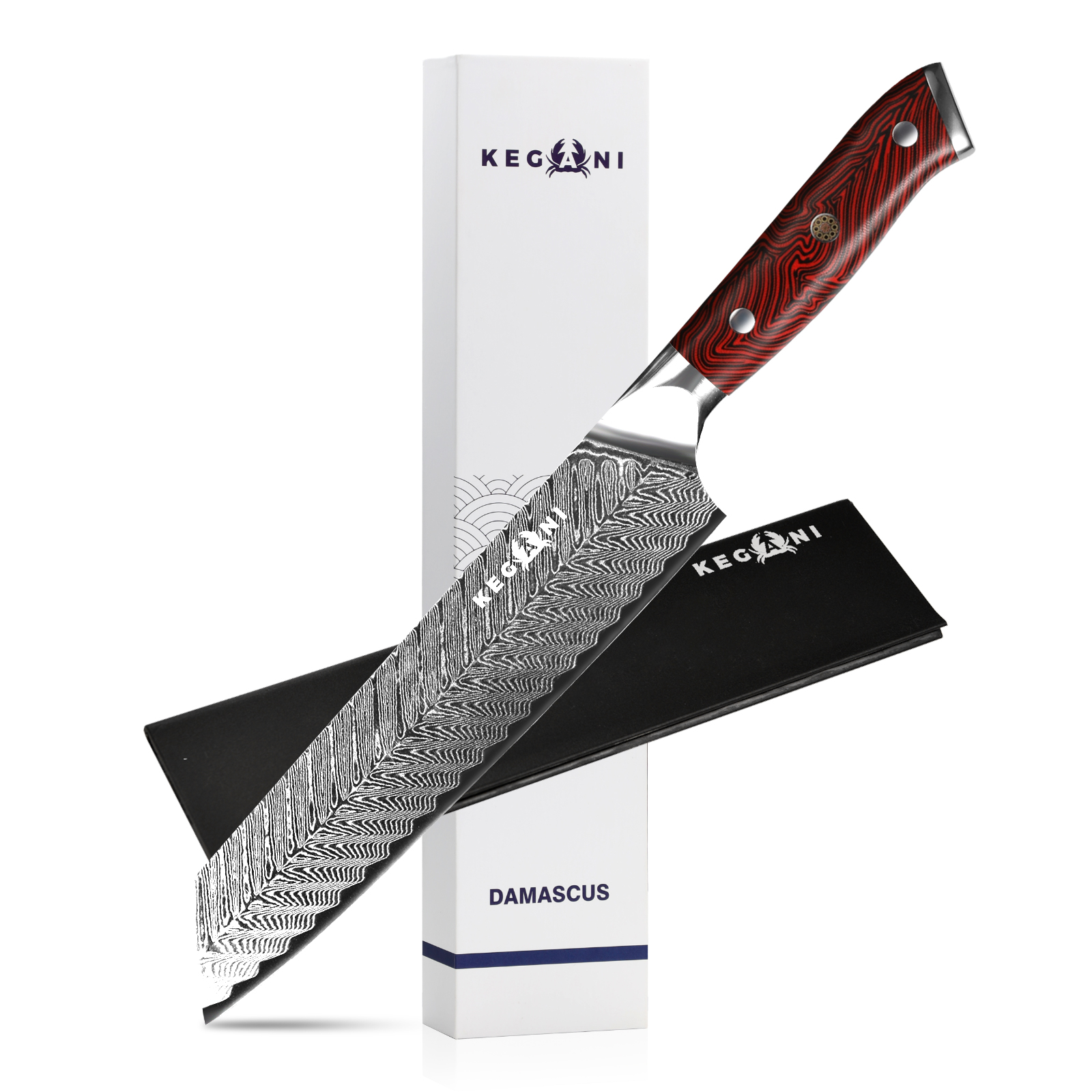
None of these are needed to use the method above. They are the items whose prices appear in the table, listed so the arithmetic can be checked against the live listings.
View details
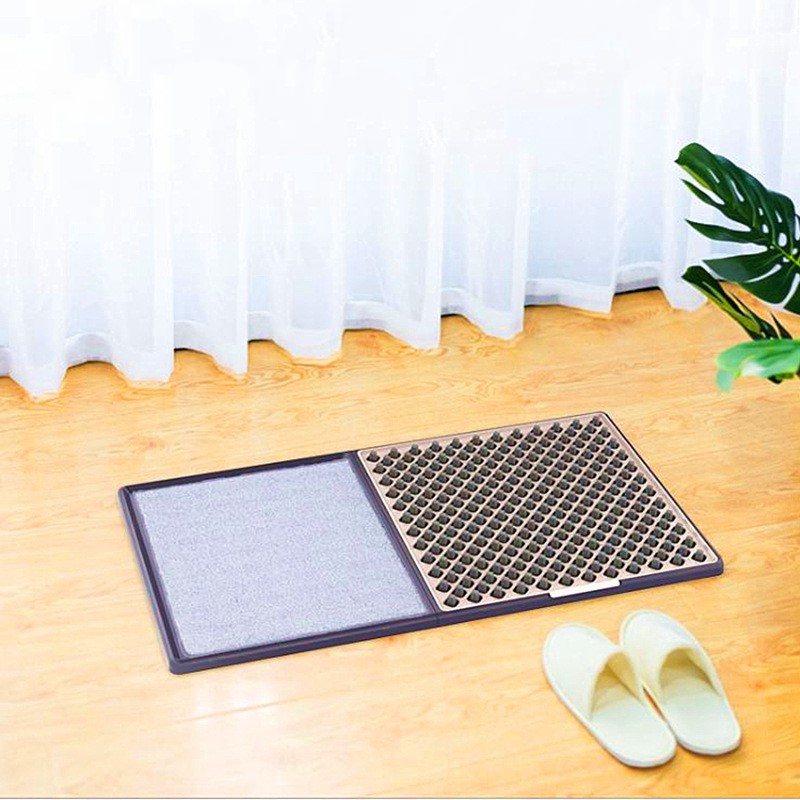
View details
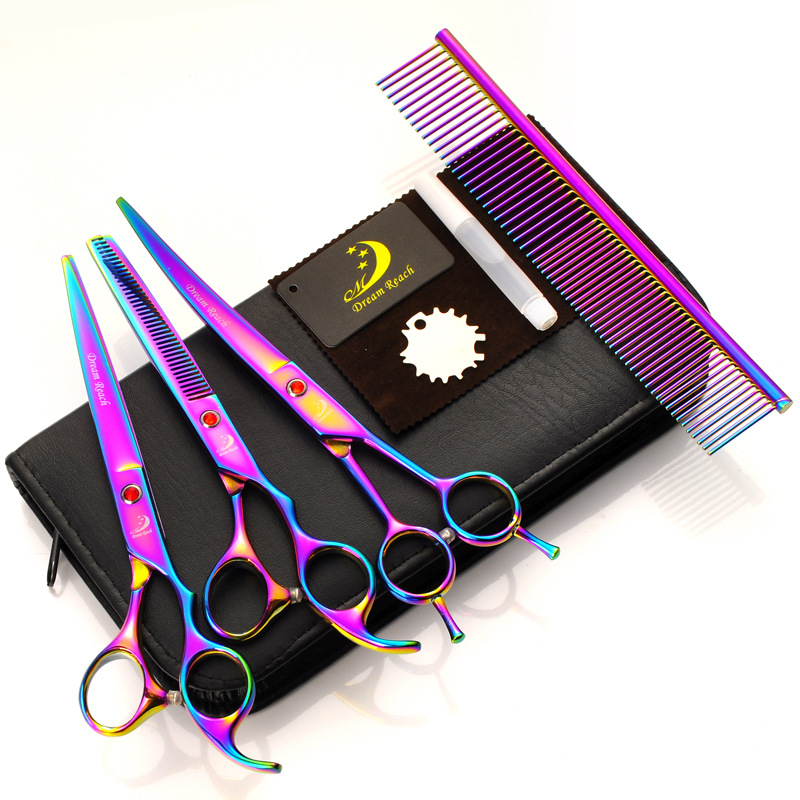
View details
The wine opener and the ring from the table are in the same catalogue if you want to run the numbers yourself; the crystal set is the row that shows where the metric stops applying.
Frequently asked questions
Is cost per use the same as cost per wear?
Yes. Cost per wear is the fashion industry’s name for the same division: price divided by the number of times the item is worn. The only difference is that clothing articles usually stop at the division and leave out upkeep and survival.
What if I have no idea how long something will last?
Use the break-even version instead. Multiply the price by ten to get the uses needed for ten cents, then ask whether you will realistically reach it. You do not need to know the lifespan if you know your own habits.
Does this mean I should always buy the expensive option?
No. The arithmetic is symmetrical and it protects cheap purchases just as often. A $10 item used four times beats a $100 item used ten times, and buying the premium version when you will not use it is the more expensive mistake of the two.
How do I count uses in a shared household?
Pick one unit and stay with it. Counting household-days rather than person-days is usually easier, and it keeps the comparison fair as long as every item on your list is counted the same way. Mixing the two is what makes the numbers look meaningless.
What about things that are never really used, like a display piece?
They have no denominator, so this metric has nothing to say about them. Judge decor on whether it earns its space. The error to avoid is borrowing the “I will use it forever” logic for items you use hard and replace often.
Prices in this article are from our own product pages, checked 29 October 2026. Use counts, lifespans and electricity rates are stated assumptions, not measurements; substitute your own and the arithmetic still holds.
Compare on Amazon — this category usually has more brands, sizes and price points there.
Check current prices on Amazon →
As an Amazon Associate we earn from qualifying purchases. The price you pay is unchanged. Disclosure
[…] Convert to a unit. Price per kilogram, per litre, per use, per drawer. A $53.99 box that holds three rows and a $21.99 box that holds one are not 2.5 times apart; they are a capacity question first. The method is set out in this piece on cost per use. […]
[…] That is the same question a price tag hides in every other category — the one our piece on cost per use and the numbers price tags hide takes apart for kitchen tools, and the one what fragrance concentration actually decides raises […]