Description
What this set is
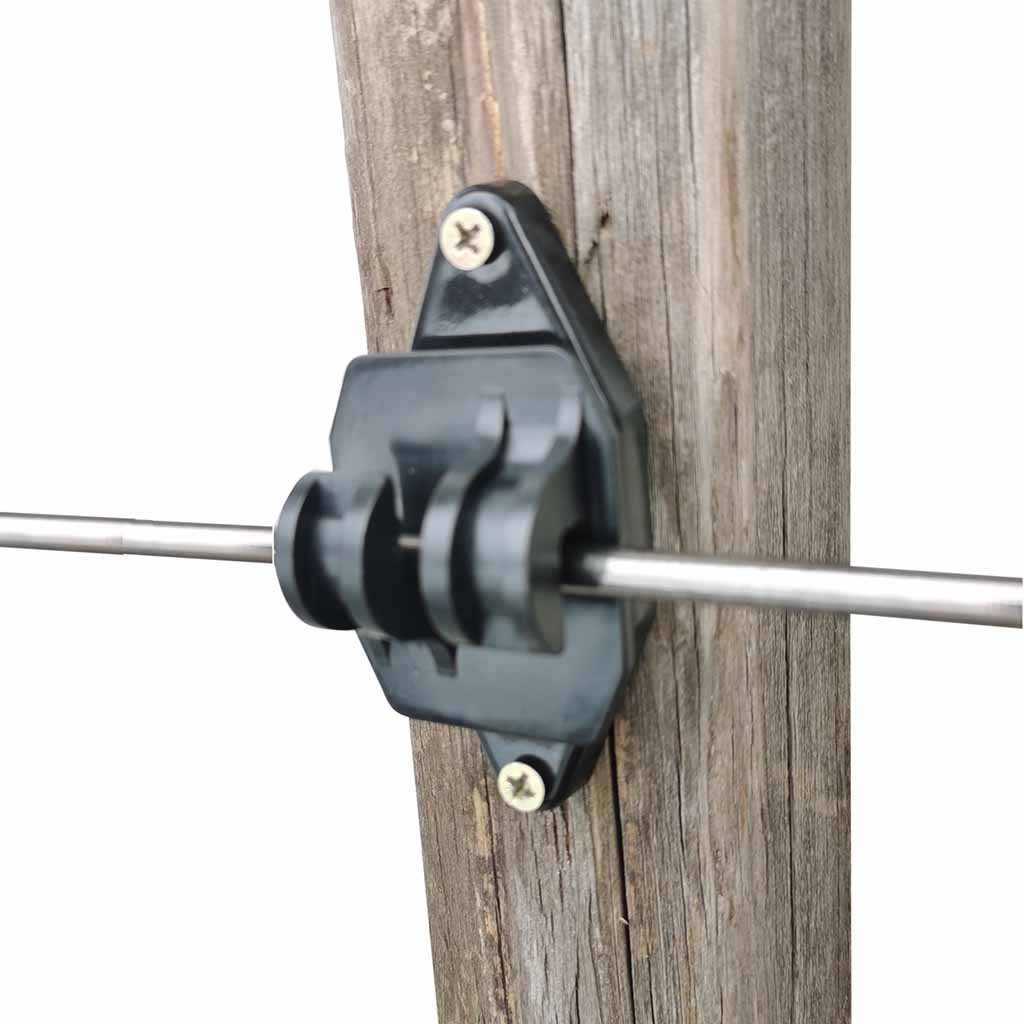
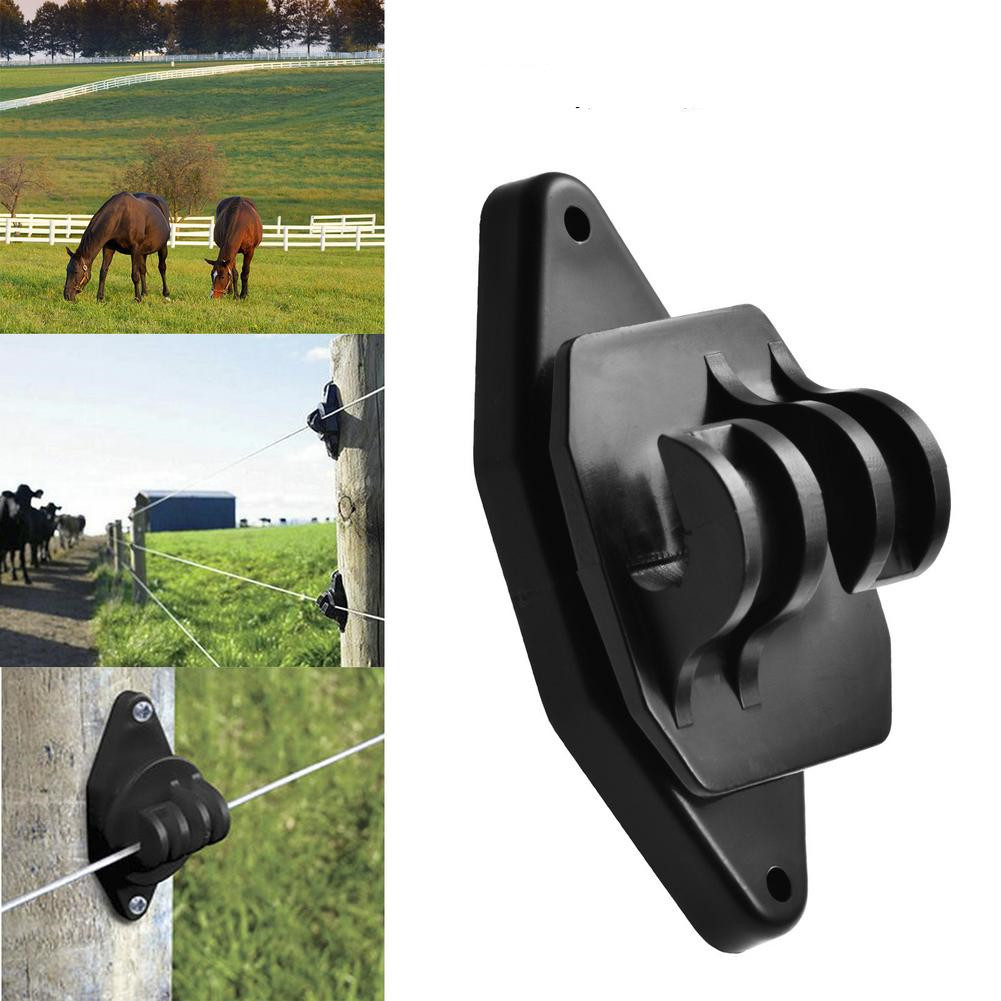
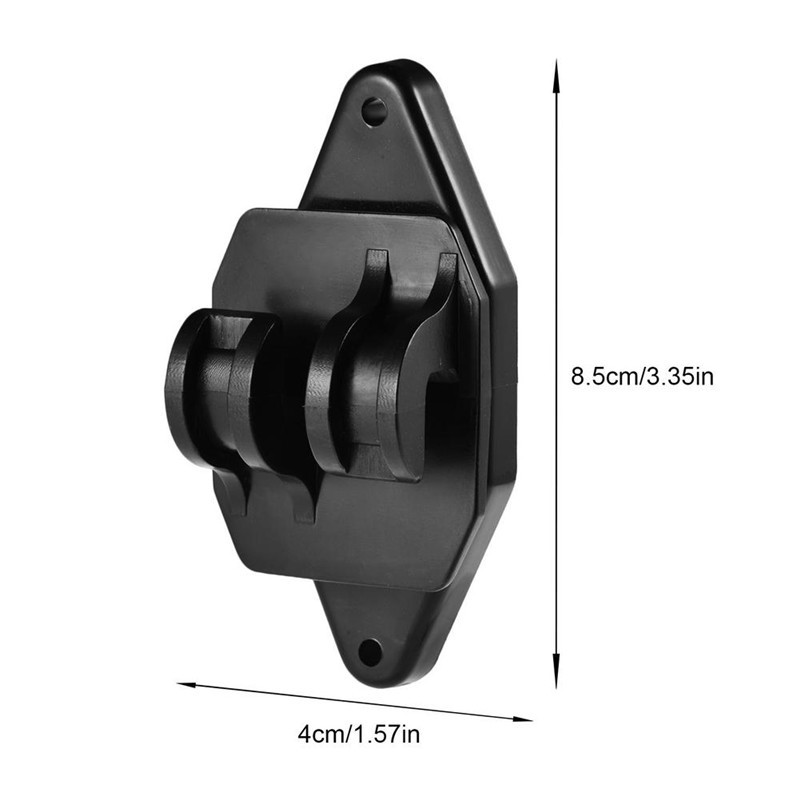
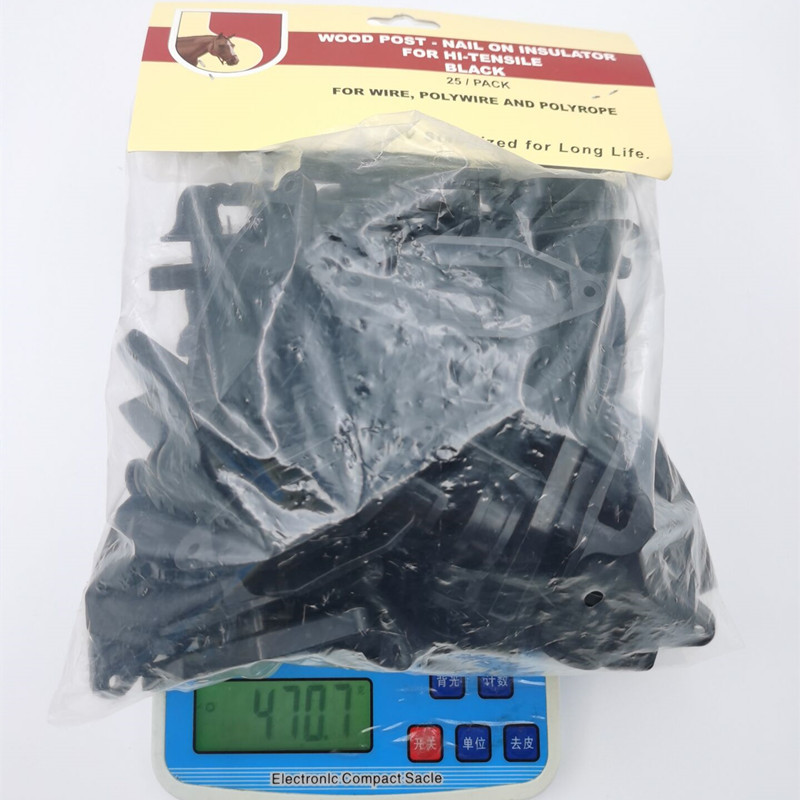
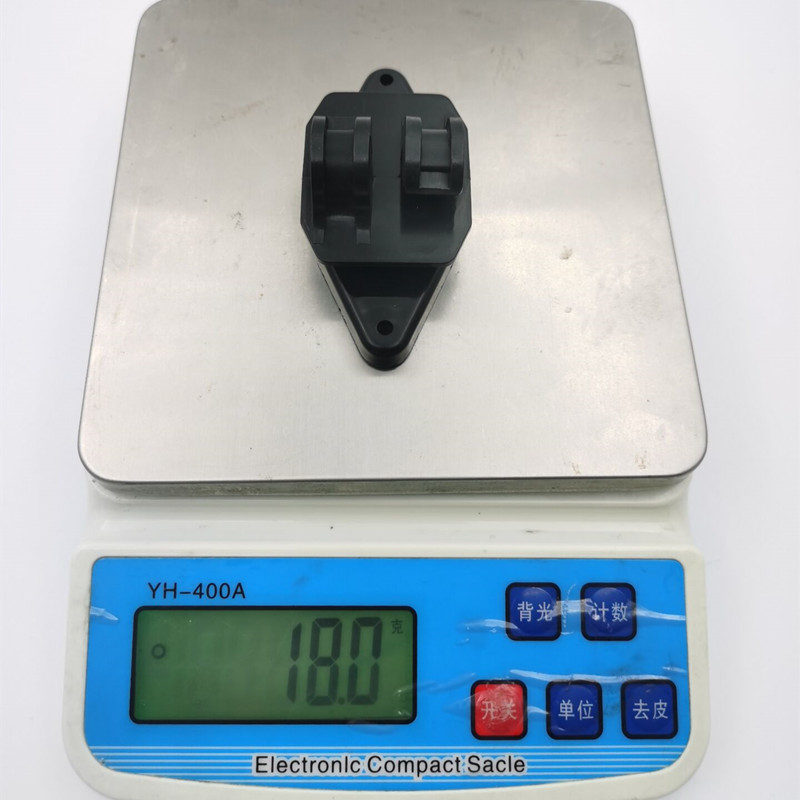
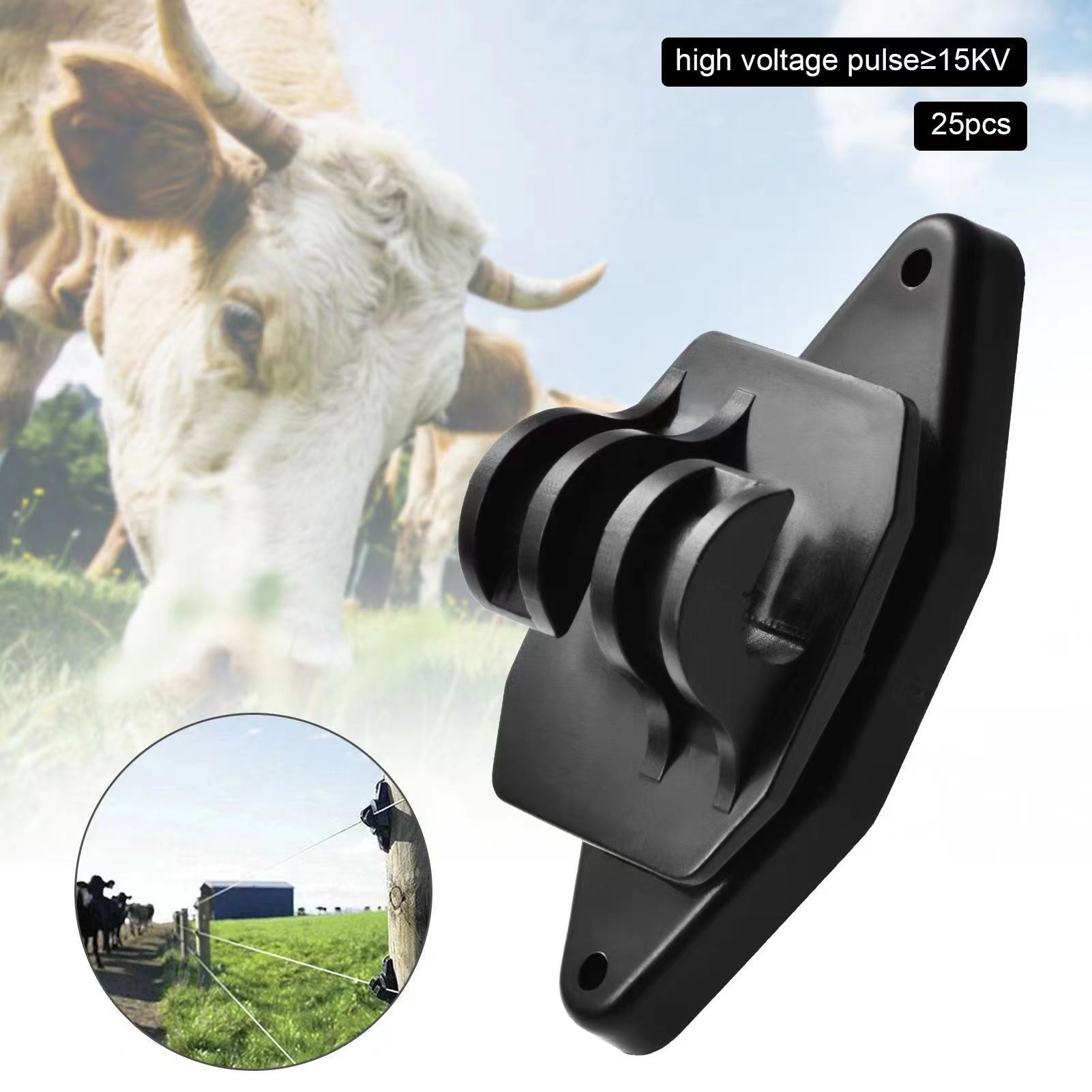
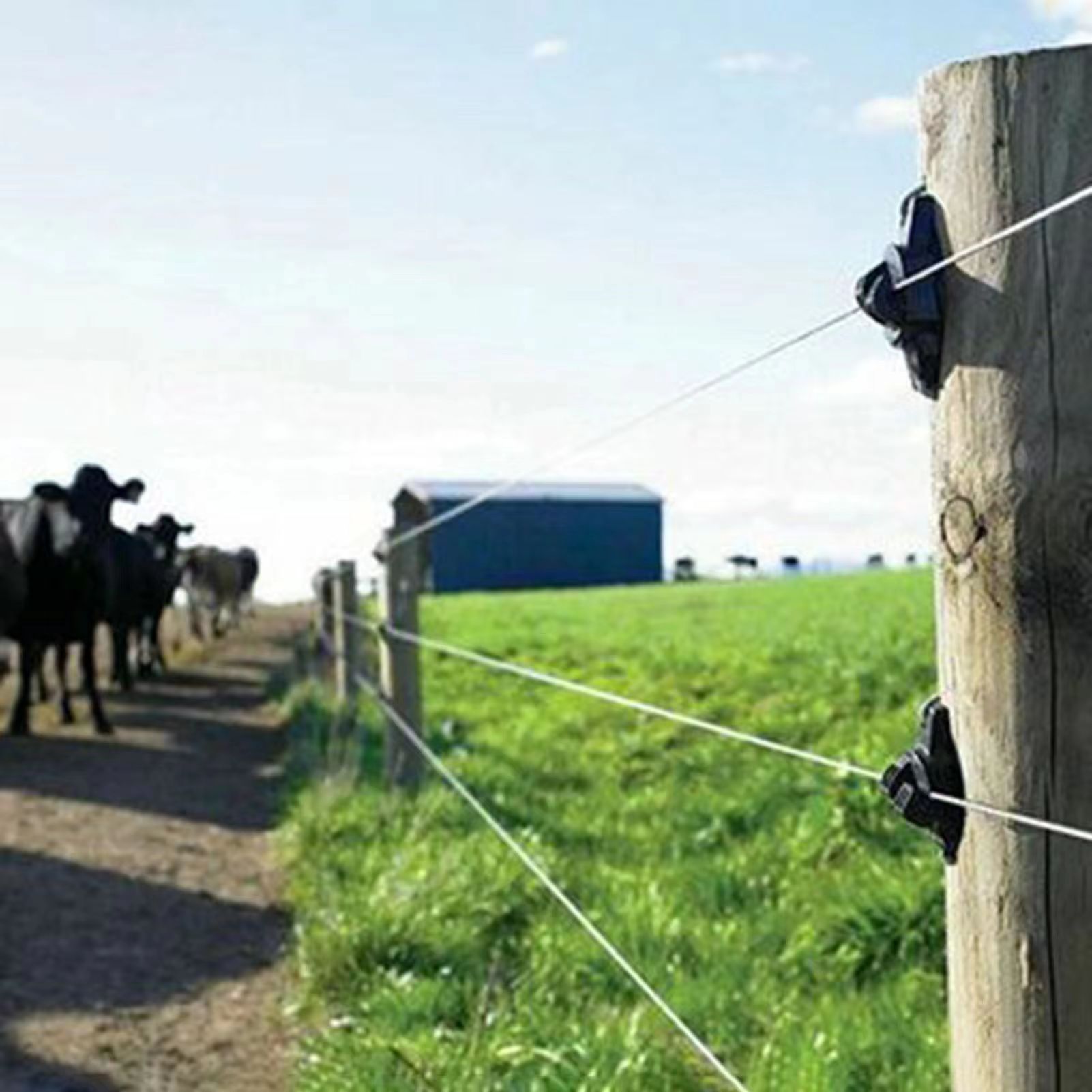
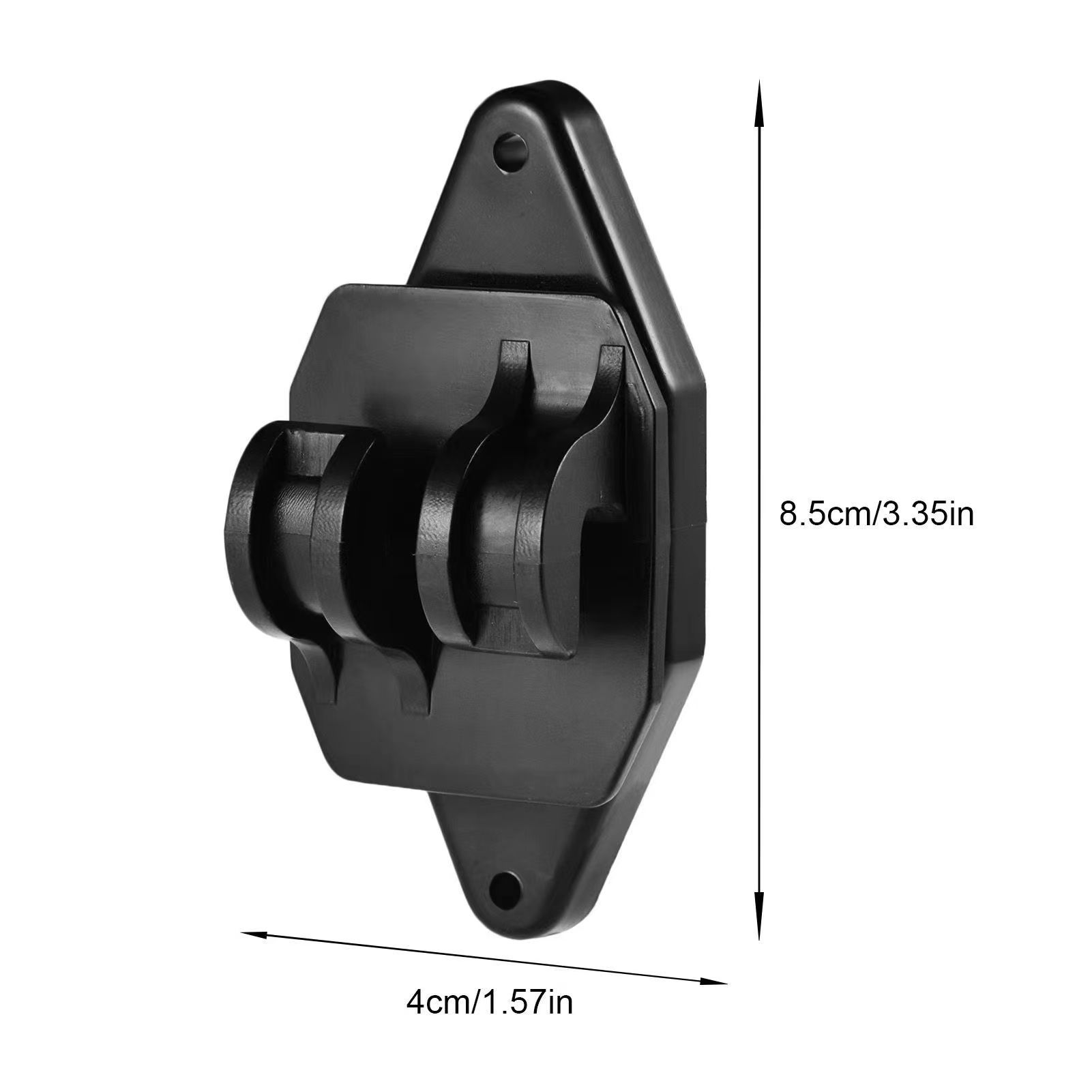
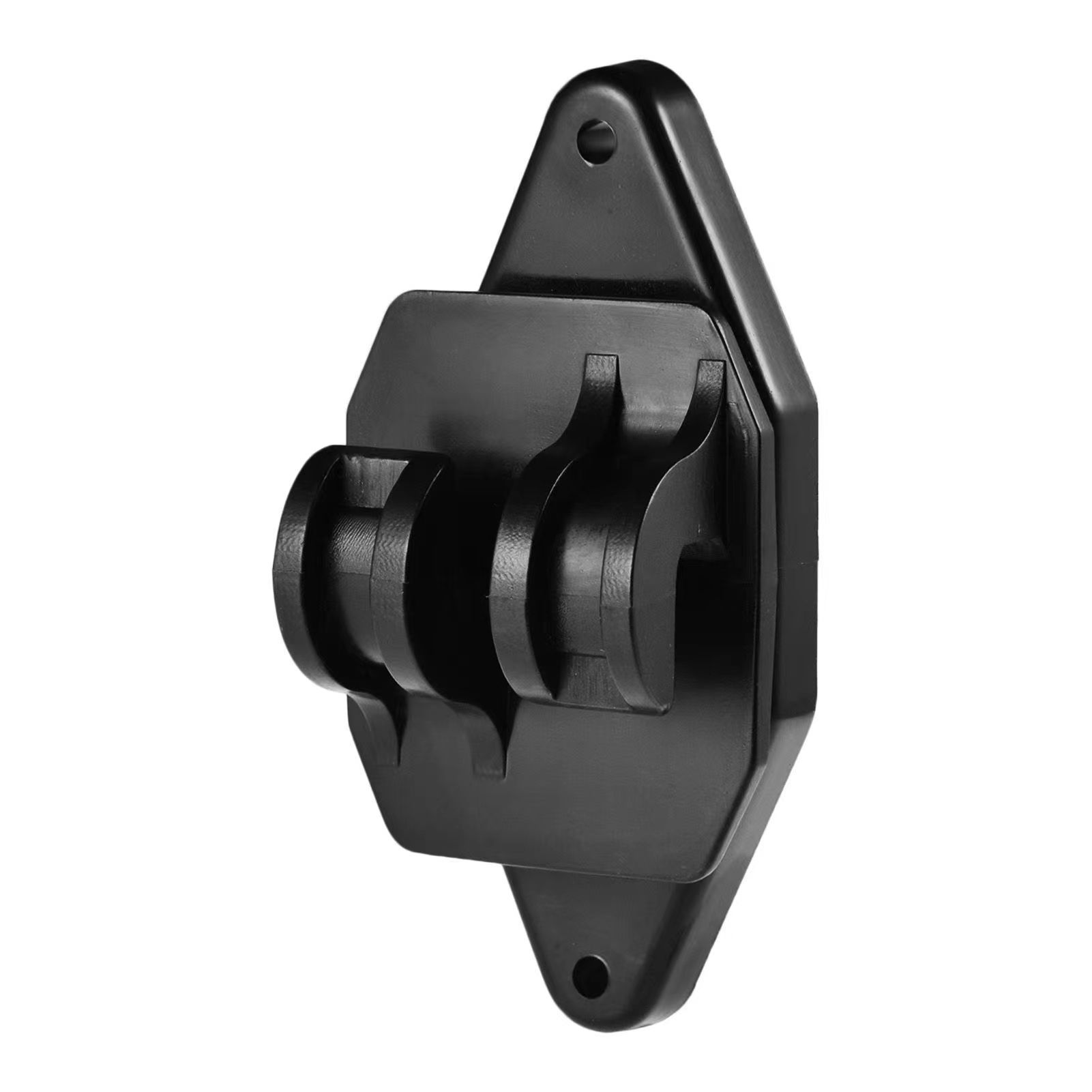
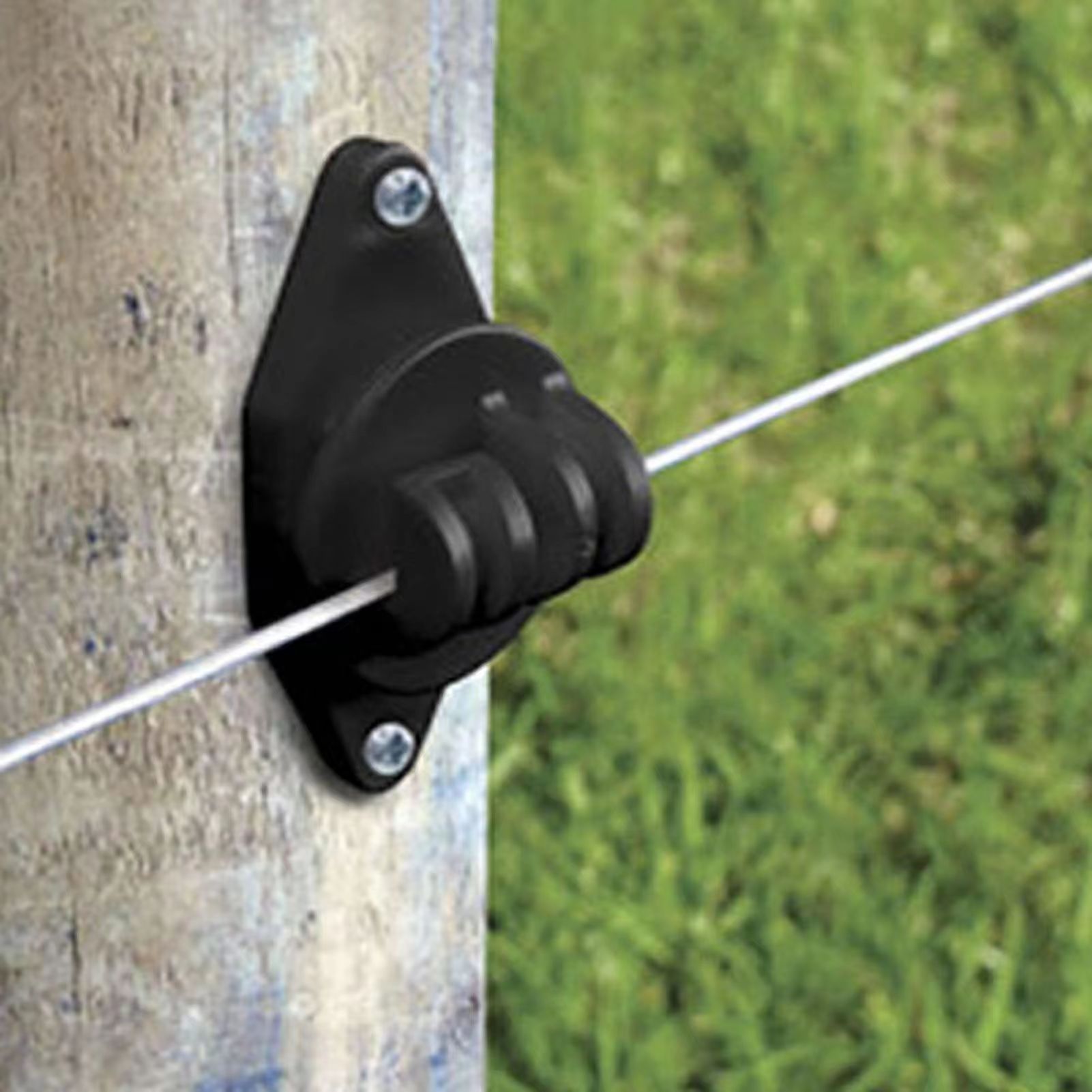
A 25-piece pack of nylon fence insulators that nail straight onto timber posts. Each piece measures roughly 8.5 x 4 x 3.2 cm and weighs about 18 g, so the whole bag is light enough to ship cheaply and small enough to keep in a toolbox drawer. They are the plain, workhorse fitting used on electric fencing for livestock, orchard netting and garden boundaries: the insulator holds the wire clear of the post so the charge does not leak into damp timber.
Why nylon instead of cheap plastic
Most budget insulators are moulded from a brittle plastic that cracks when a nail is driven too hard or when the temperature swings below freezing. Nylon flexes instead of shattering. It also resists UV yellowing and stays dimensionally stable in summer heat, which matters because a deformed insulator lets the wire sag and short against the post. The trade-off is a slightly higher unit cost, which is why this pack is priced for people who are tired of replacing fittings every season rather than for one-off jobs.
Sizes and spacing
| Item | Specification |
|---|---|
| Material | Nylon (UV stabilised) |
| Unit size | 8.5 x 4 x 3.2 cm |
| Unit weight | 18 g |
| Pack quantity | 25 pieces |
| Package size | 200 x 180 x 50 mm |
| Typical post spacing | 3-4 m on straight runs, 2-3 m on corners |
| Wire height | Commonly 60 cm, 90 cm and 110 cm above ground |
Installation in five steps
- Mark the wire heights on the first post with a pencil. Electric fence wire is usually run at 60 cm, 90 cm and 110 cm for sheep and cattle, and lower for poultry netting.
- Hold the insulator against the post at the mark and drive the supplied nail through the centre hole. Leave 2-3 mm of the head proud so the insulator can rotate slightly instead of splitting.
- Run the wire through the outer slot with a tensioning tool. Keep tension firm but not banjo-tight; nylon stretches a little in the first warm week.
- At corners and gateways, fit an insulator on both faces of the post so the wire changes direction without rubbing timber.
- Walk the line with a fence tester. Anything below 4 kV on a standard energiser usually means a short at a post, a broken wire or a wet insulator that needs re-seating.
Where they work and where they do not
These are nail-on insulators for timber and round wooden posts. They are not designed for steel T-posts, which need a clip-on insulator with a different profile, and they are not a substitute for proper corner bracing. On very wet ground, or where the wire runs through long grass, raise the bottom wire and keep a strip mown under the fence; no insulator can compensate for vegetation shorting the line.
Weather and lifespan
Nylon insulators typically last five to eight years in temperate climates before the surface crazes and the slot starts to widen. In strong sun the nail head, not the insulator, is usually what fails first: galvanised nails rust at the timber interface and should be replaced when you see streaking down the post. Buying a 25-pack means you have spares for the three or four fittings that always give out mid-season.
Frequently asked questions
Will these fit a round timber post?
Yes, as long as the post face is reasonably flat where the nail enters. On very round posts, pre-drill a 2 mm pilot hole to stop the nail wandering.
Can I use them with tape or rope instead of wire?
Tape and rope are wider than wire and need a wider slot; these insulators suit standard 1.6-2.5 mm wire and thin polywire. For tape, choose a tape-specific insulator.
How many do I need for 100 m of fence?
At 4 m spacing with three wire heights you need roughly 75 fittings, so three packs. Corners and gateways add another 10-15 pieces.
Do they come with nails?
The pack is the insulator body. Use galvanised or stainless nails long enough to bite 40 mm into sound timber; rusty nails are the most common cause of a fitting pulling out.
Are they strong enough for cattle?
For a boundary run with a properly braced corner, yes. For a bull paddock or a line that animals lean on daily, use heavy-duty screw-in insulators instead.
Shipping and returns
We ship to the United States, United Kingdom, Canada and Australia. Orders are processed in 1-3 business days. Delivery is typically 7-15 days to the US and 10-20 days to the UK, Canada and Australia; items held in a US warehouse arrive in 3-7 days. Returns are accepted within 30 days of delivery on unused items in original packaging.
Not sure how many fittings your run needs? Measure post spacing and wire heights first; that is the number that decides the pack count.
Compare on Amazon — this category usually has more brands, sizes and price points there.
Check current prices on Amazon →
As an Amazon Associate we earn from qualifying purchases. The price you pay is unchanged. Disclosure
Reviews
There are no reviews yet.